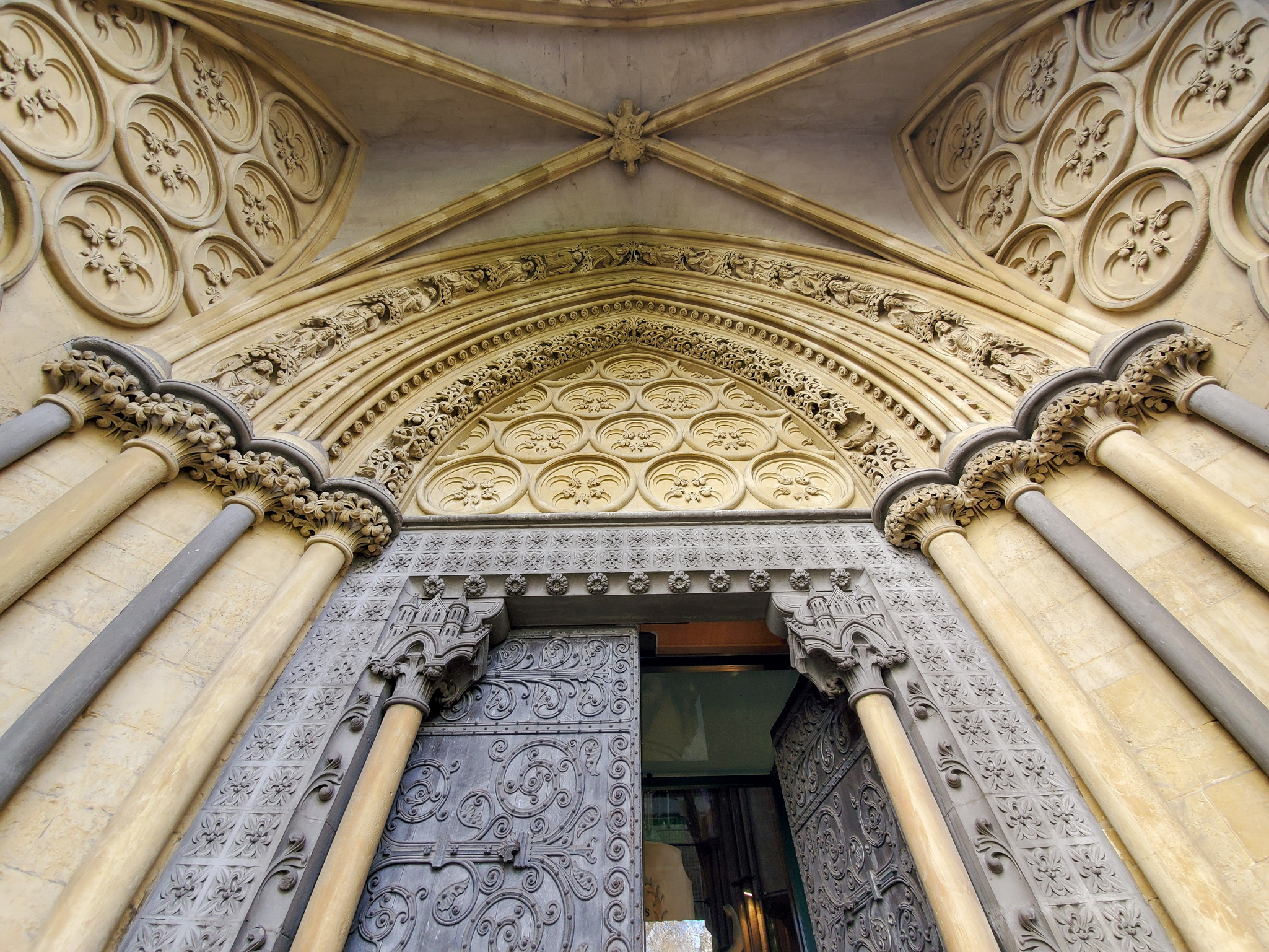
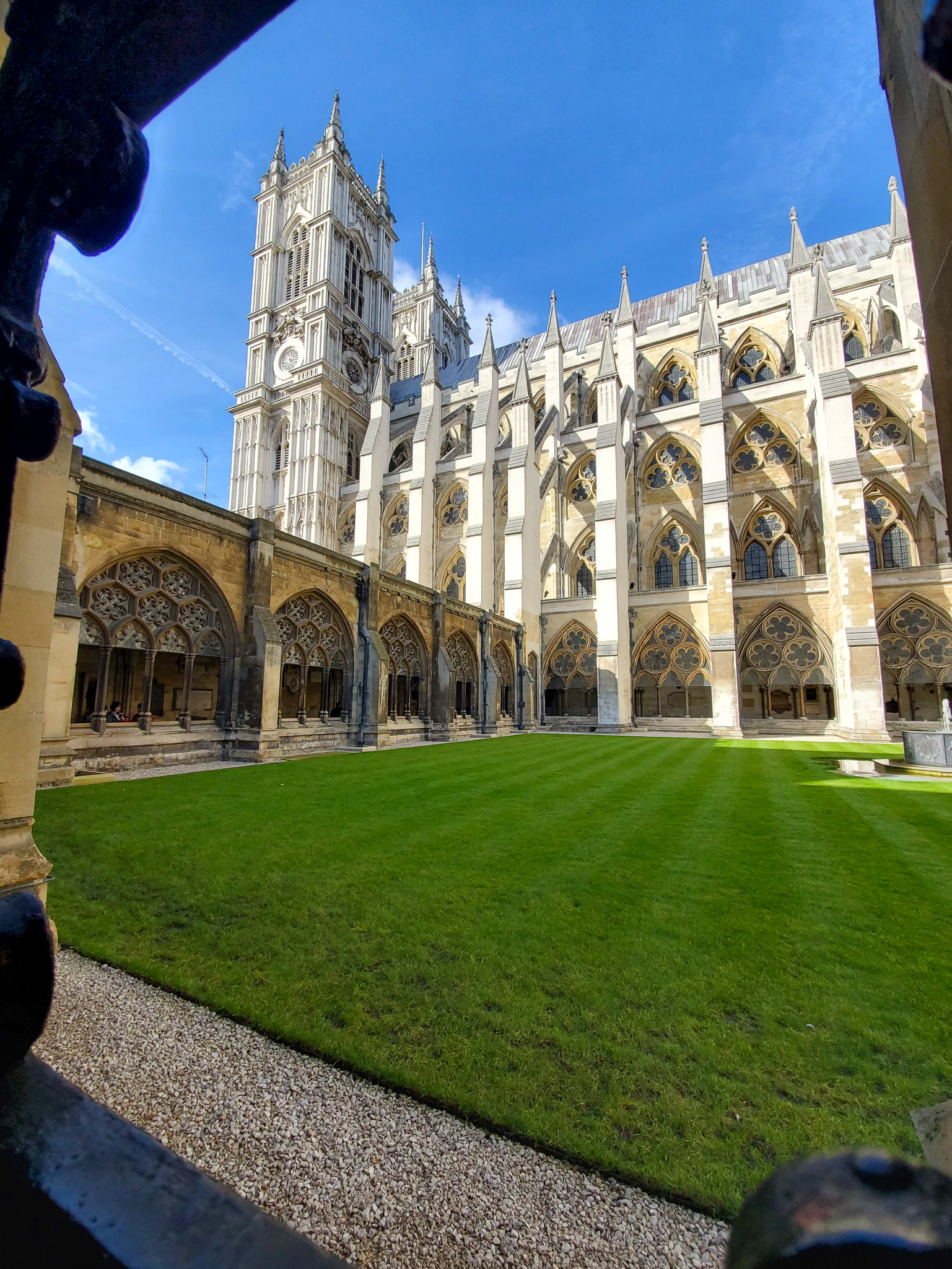
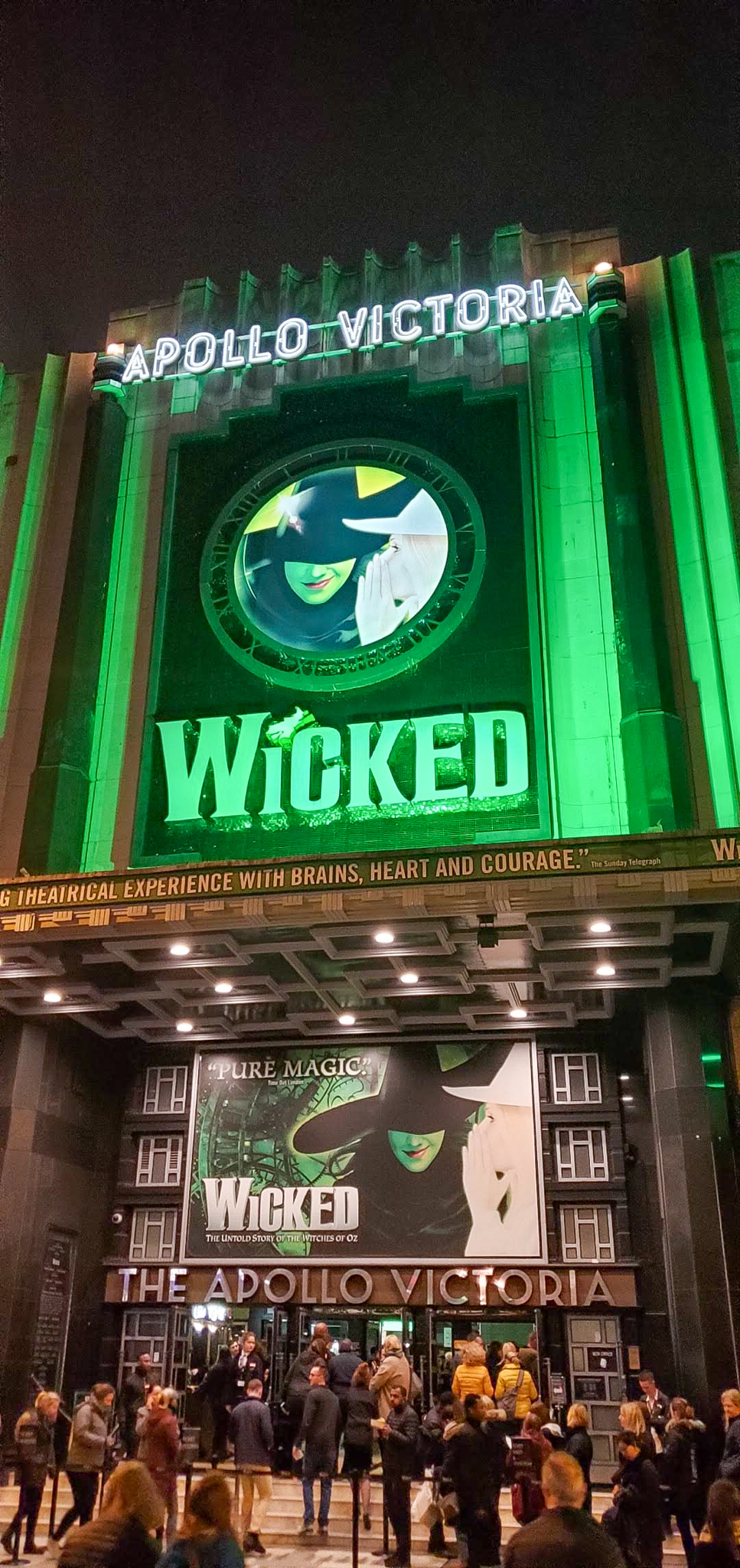
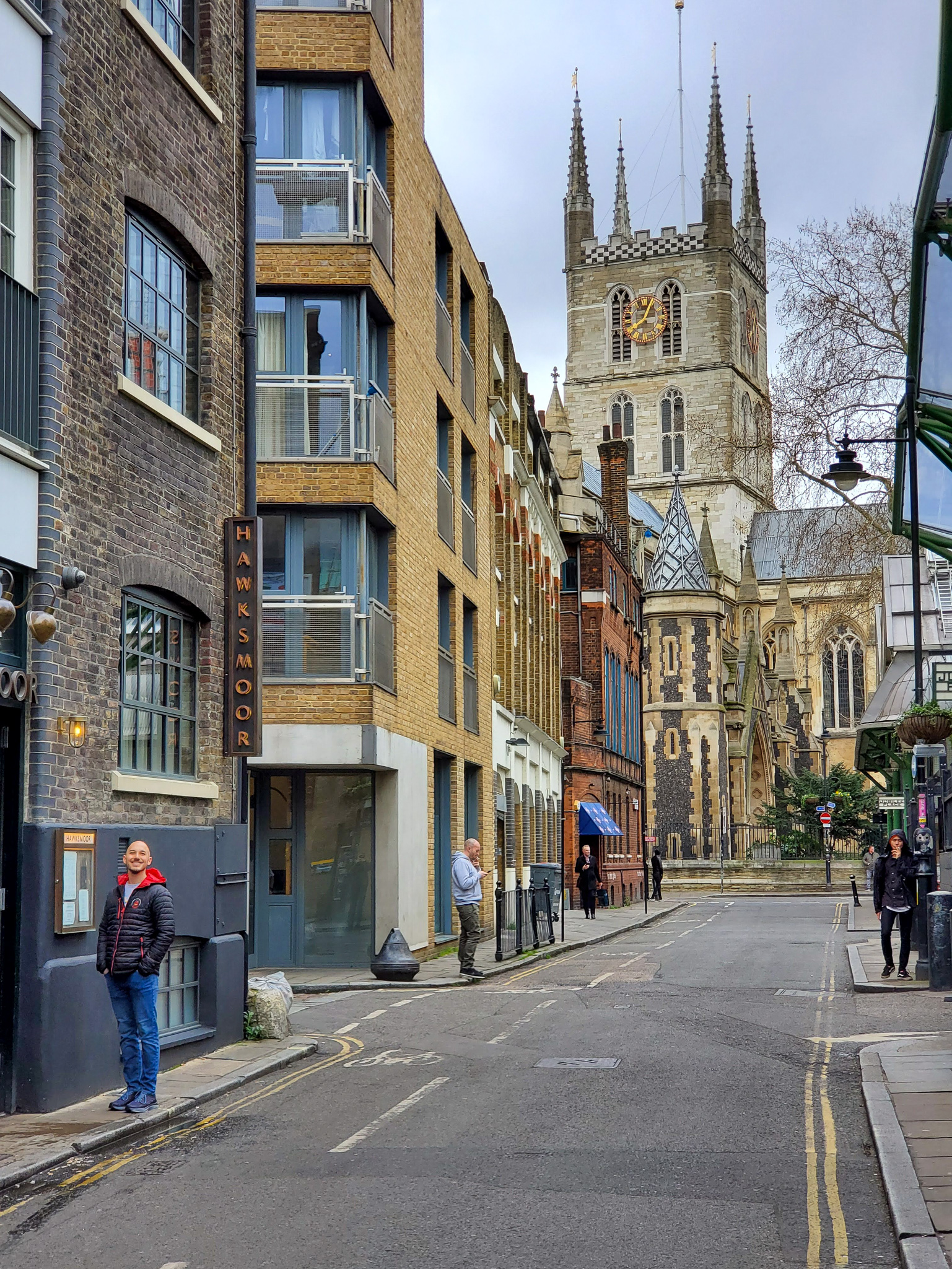
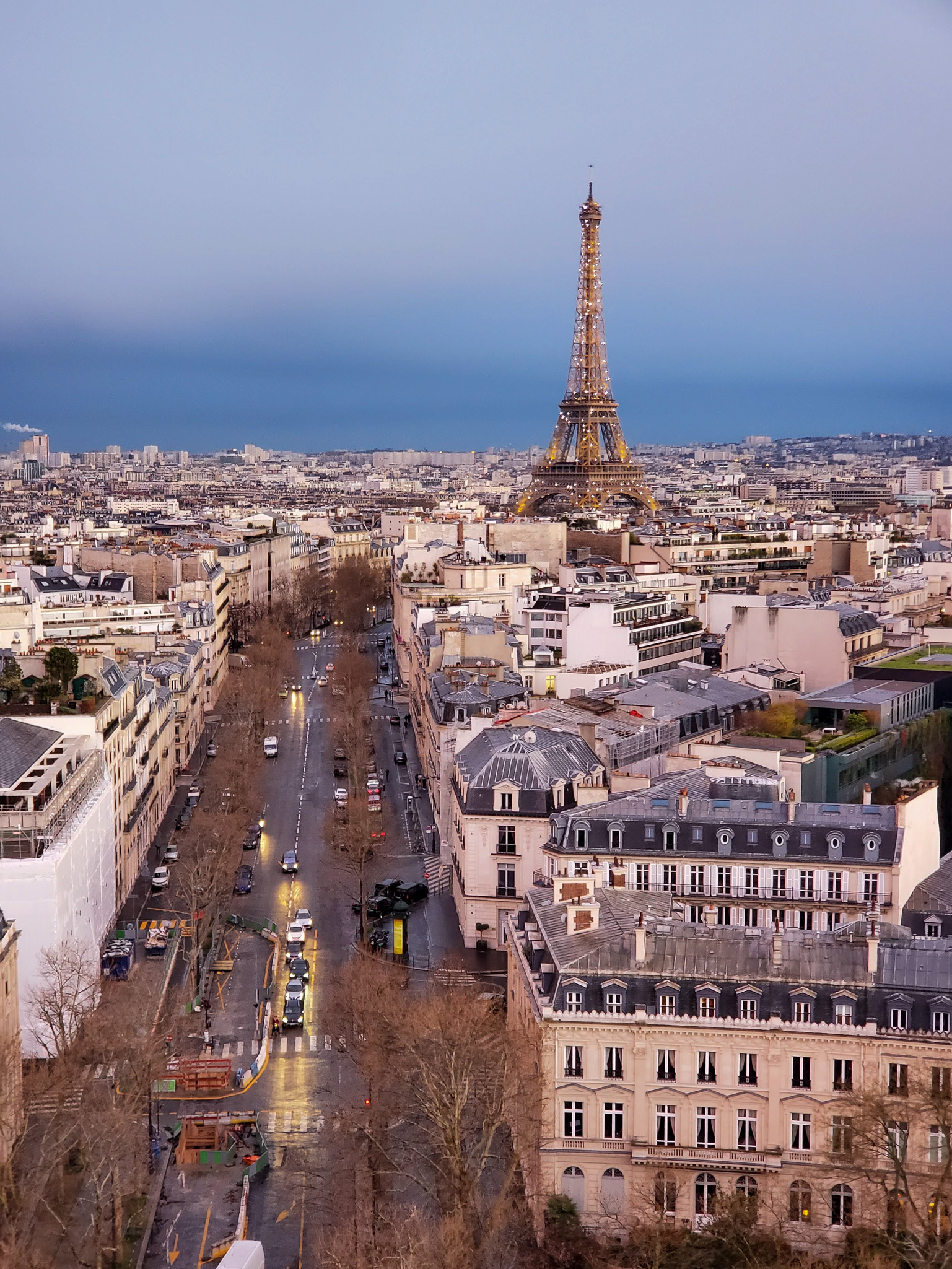
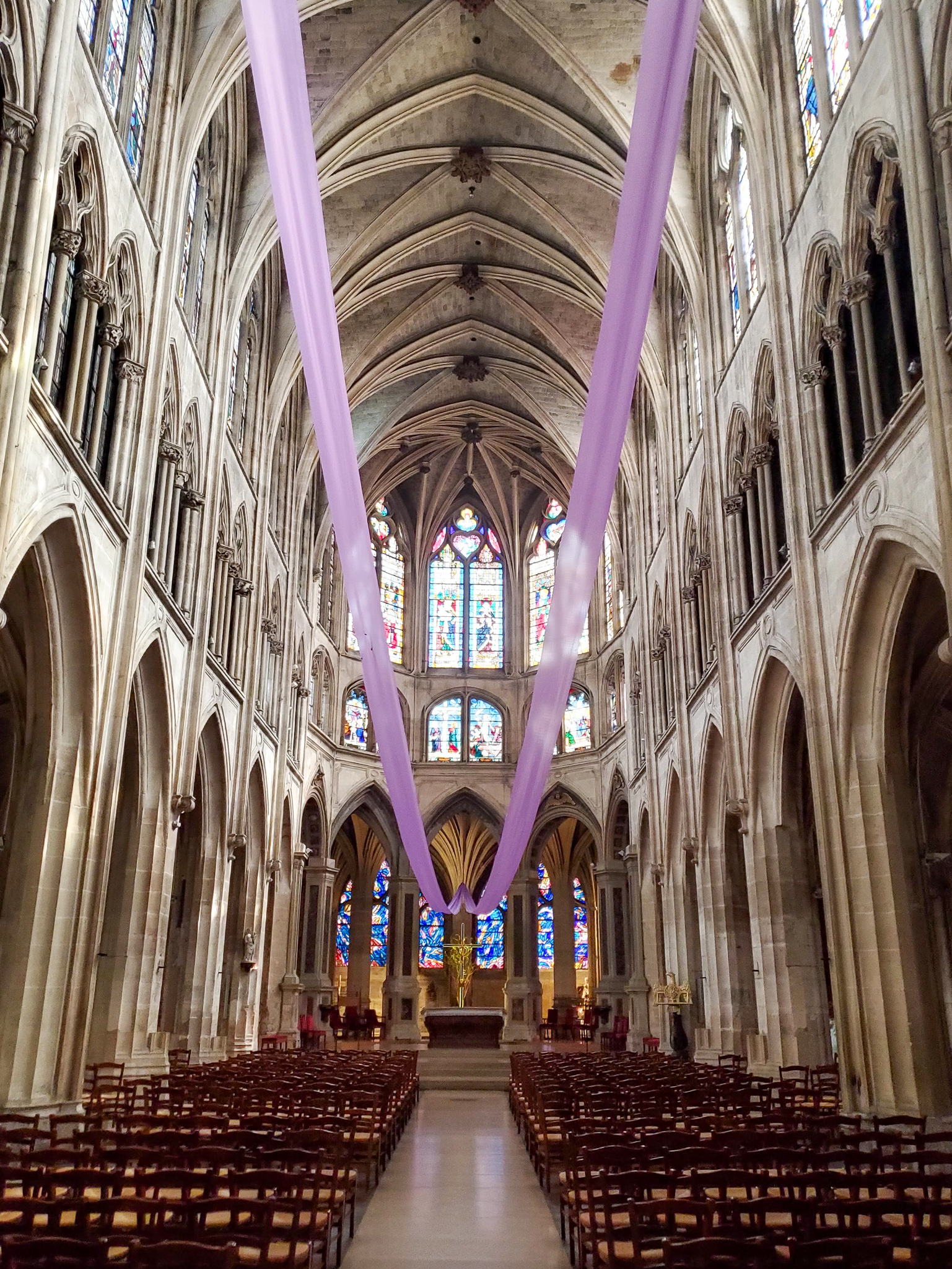
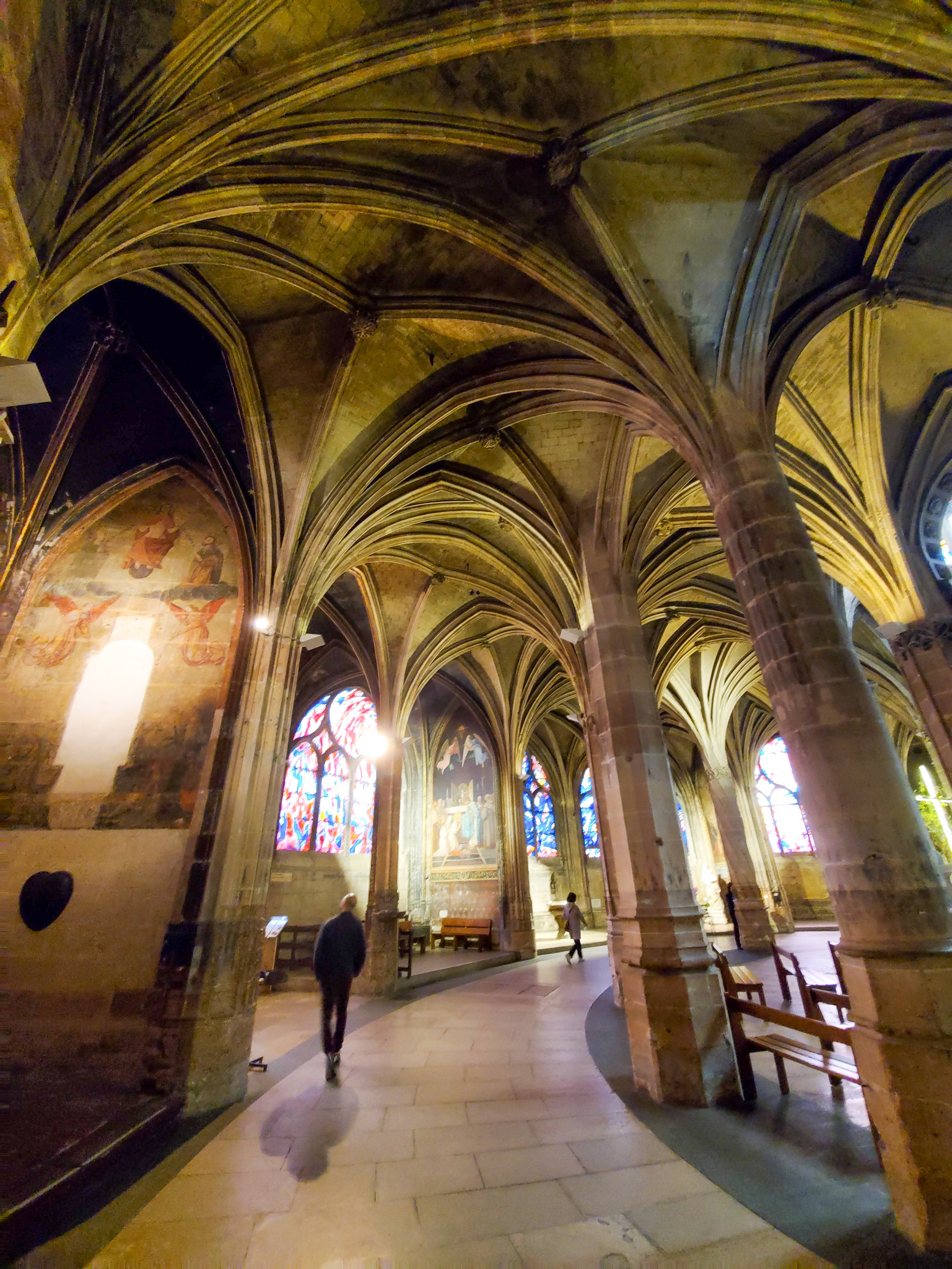
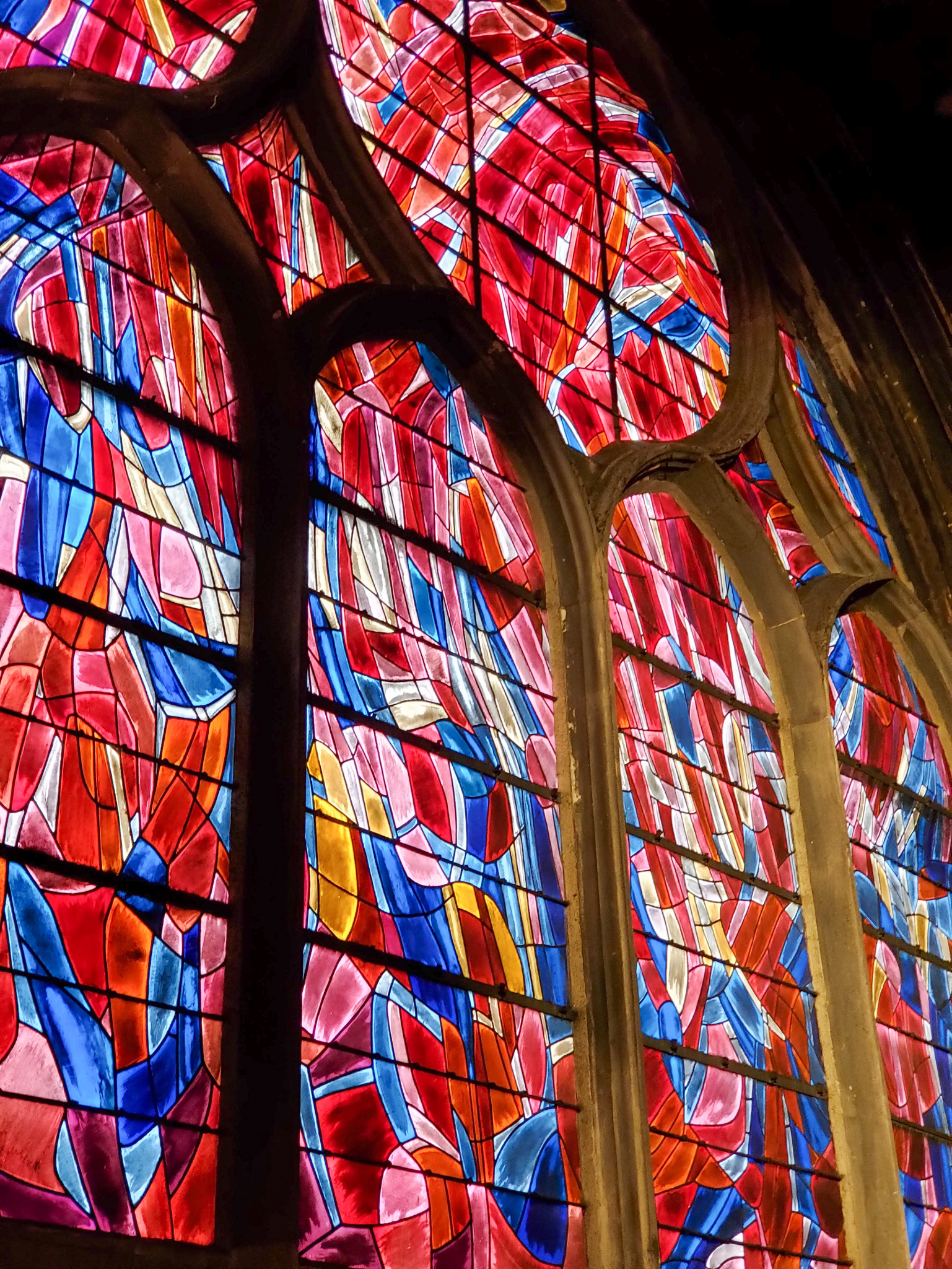
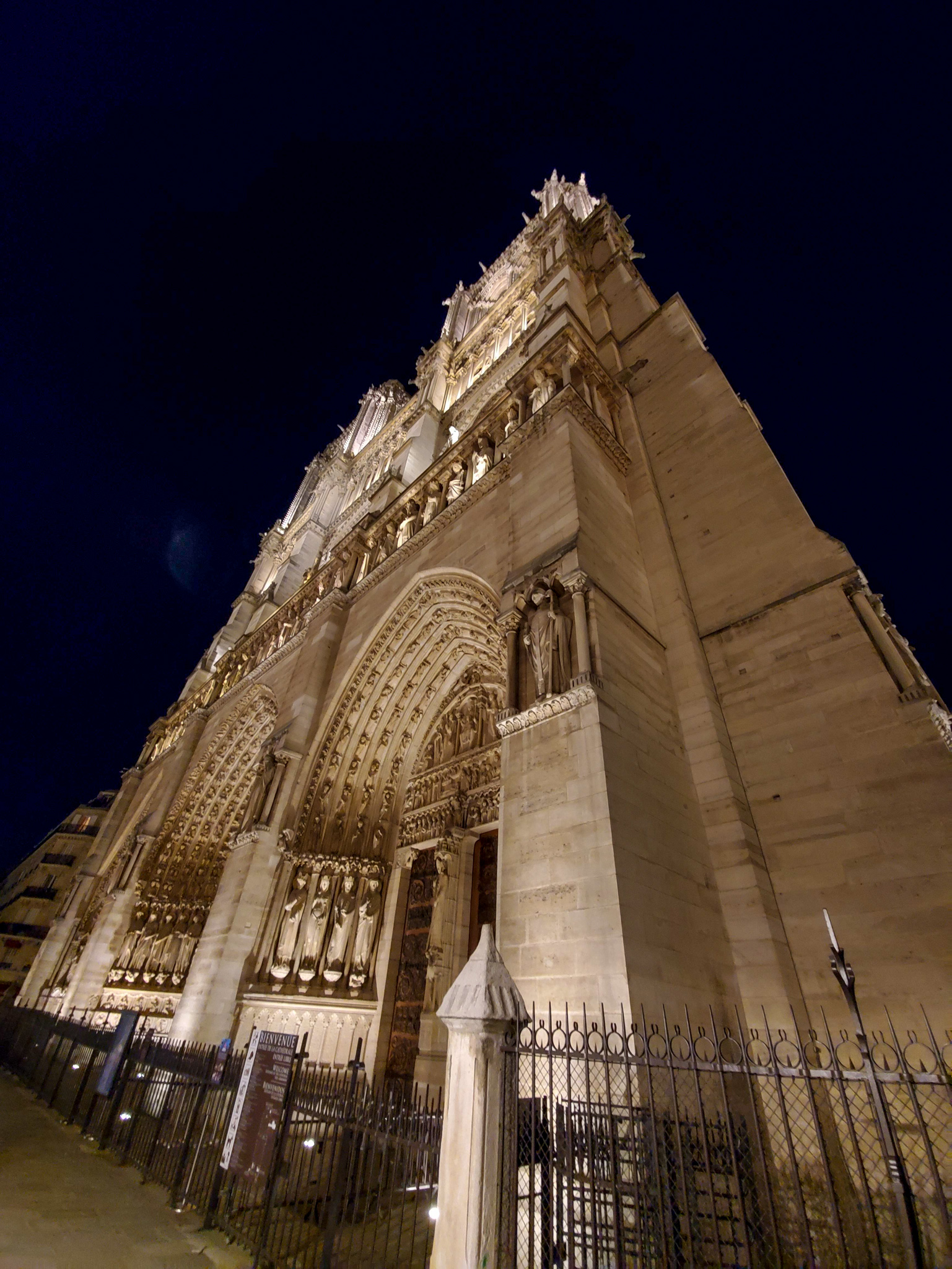
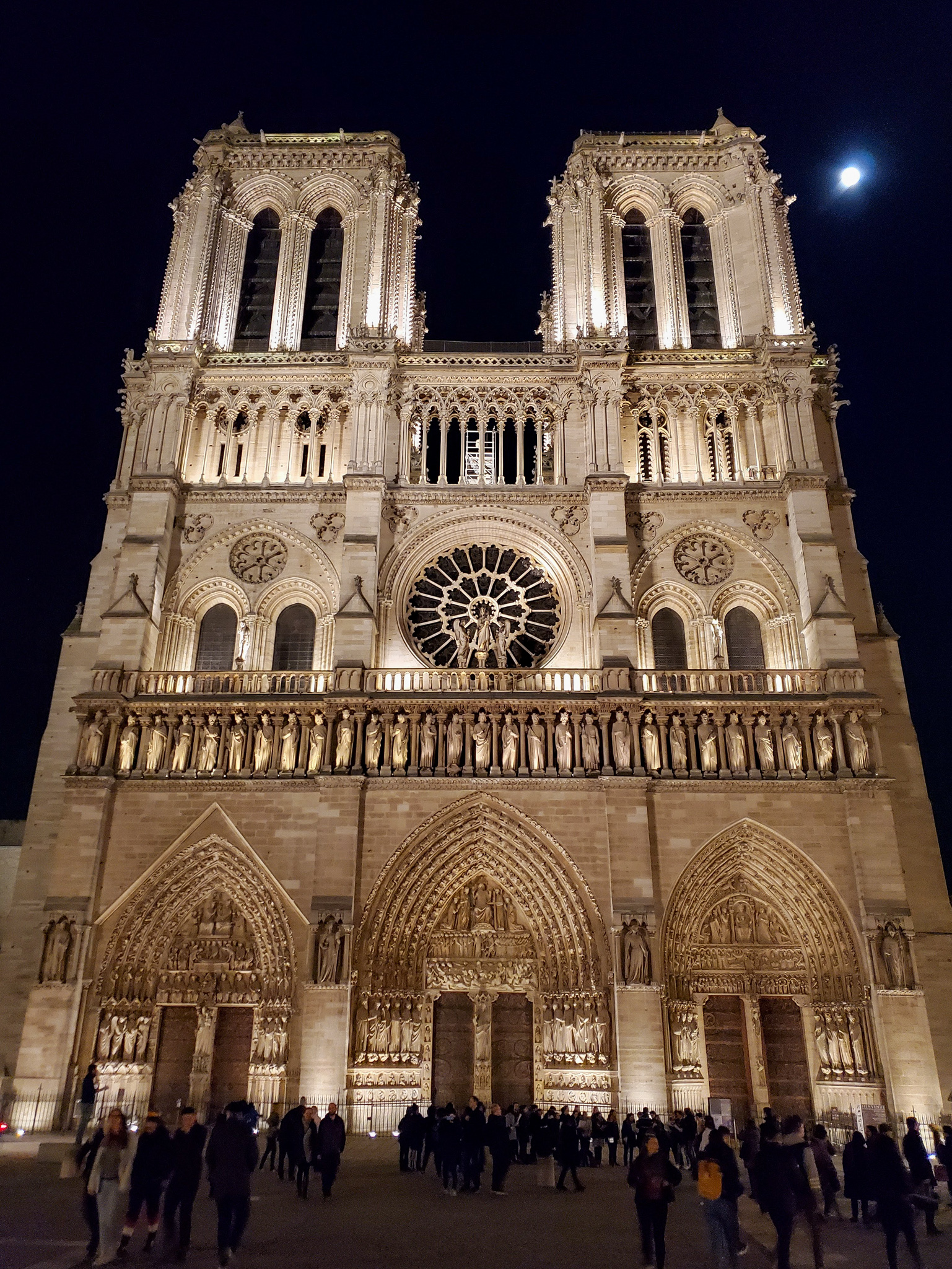
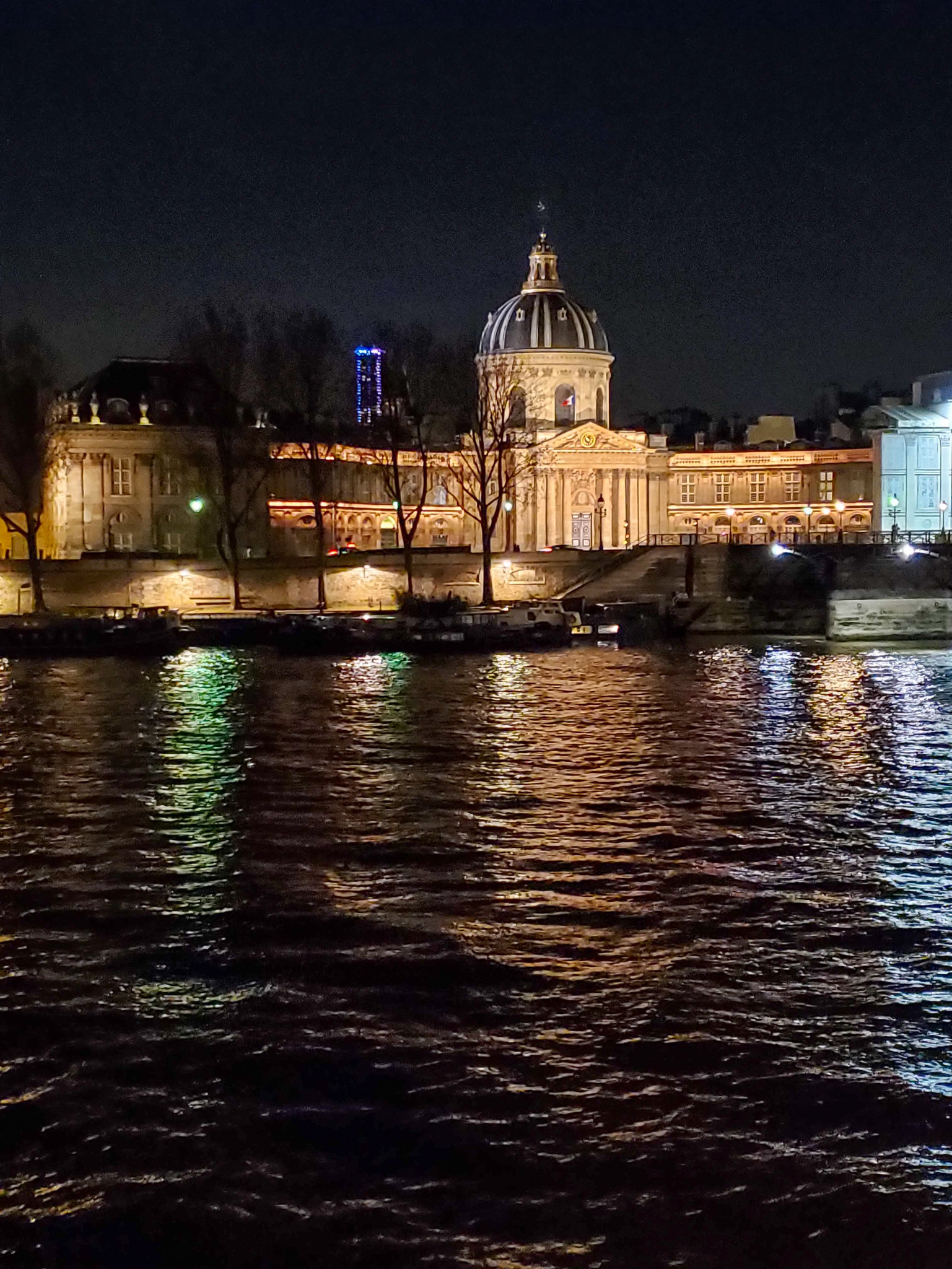
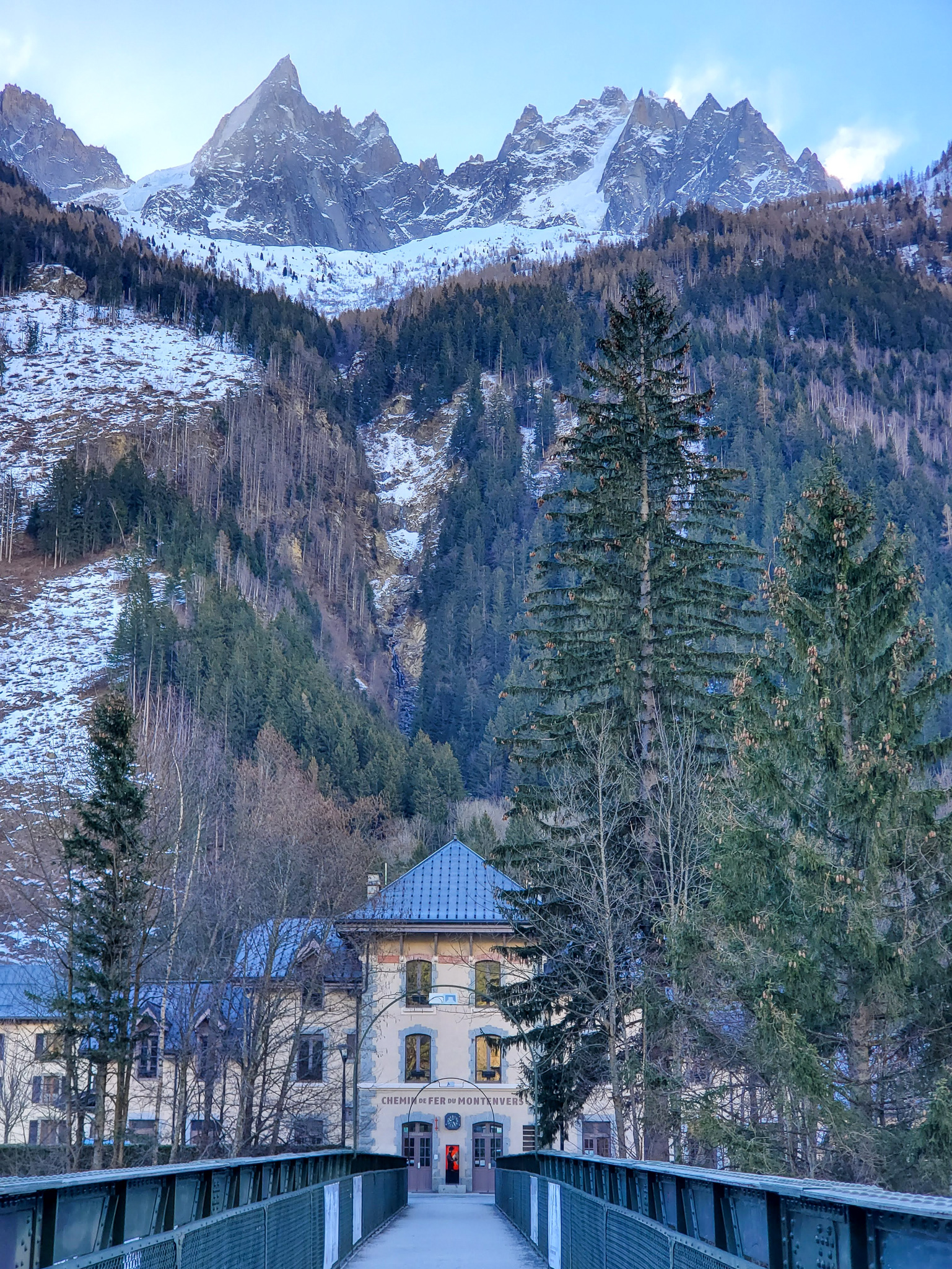
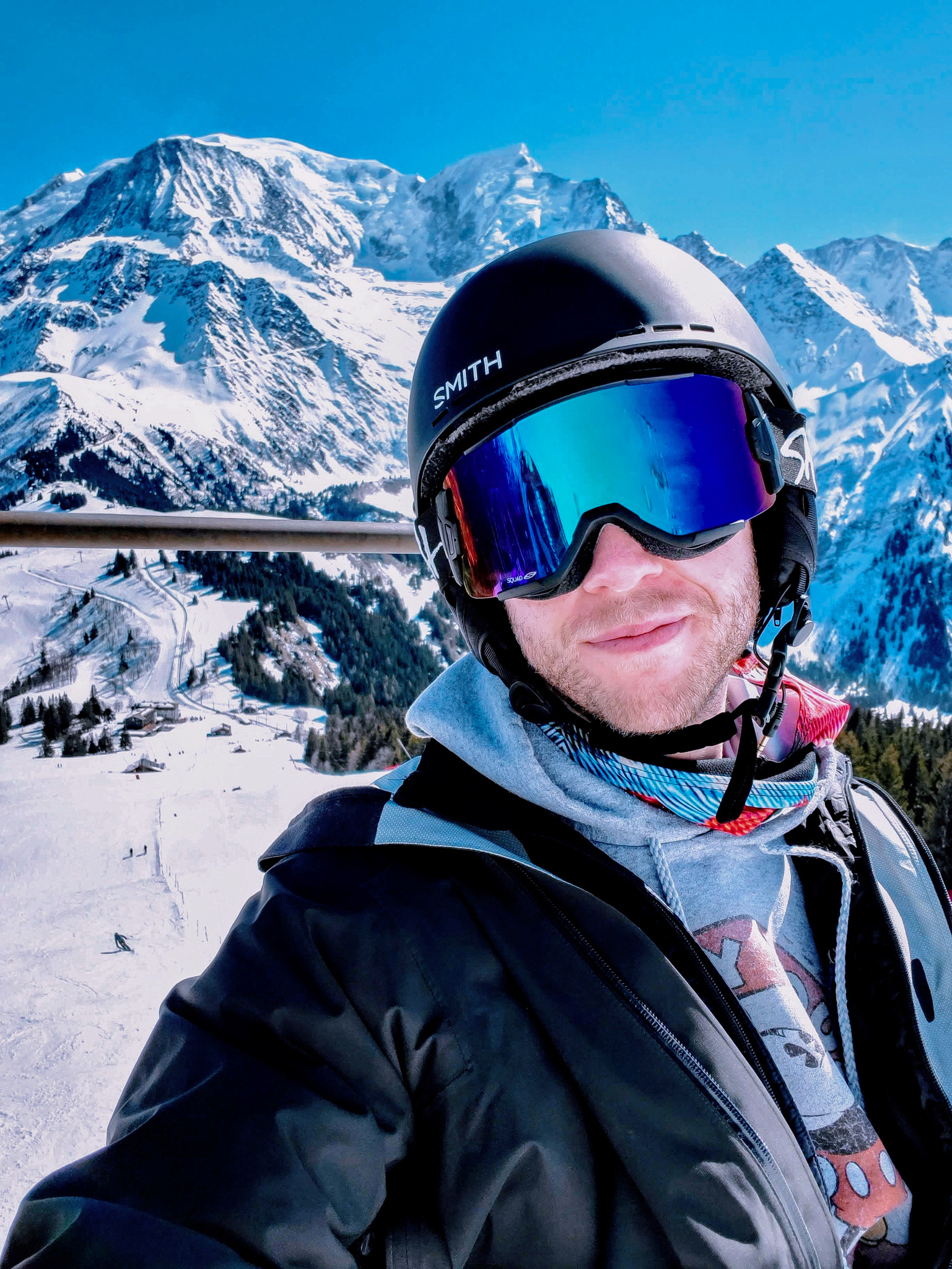
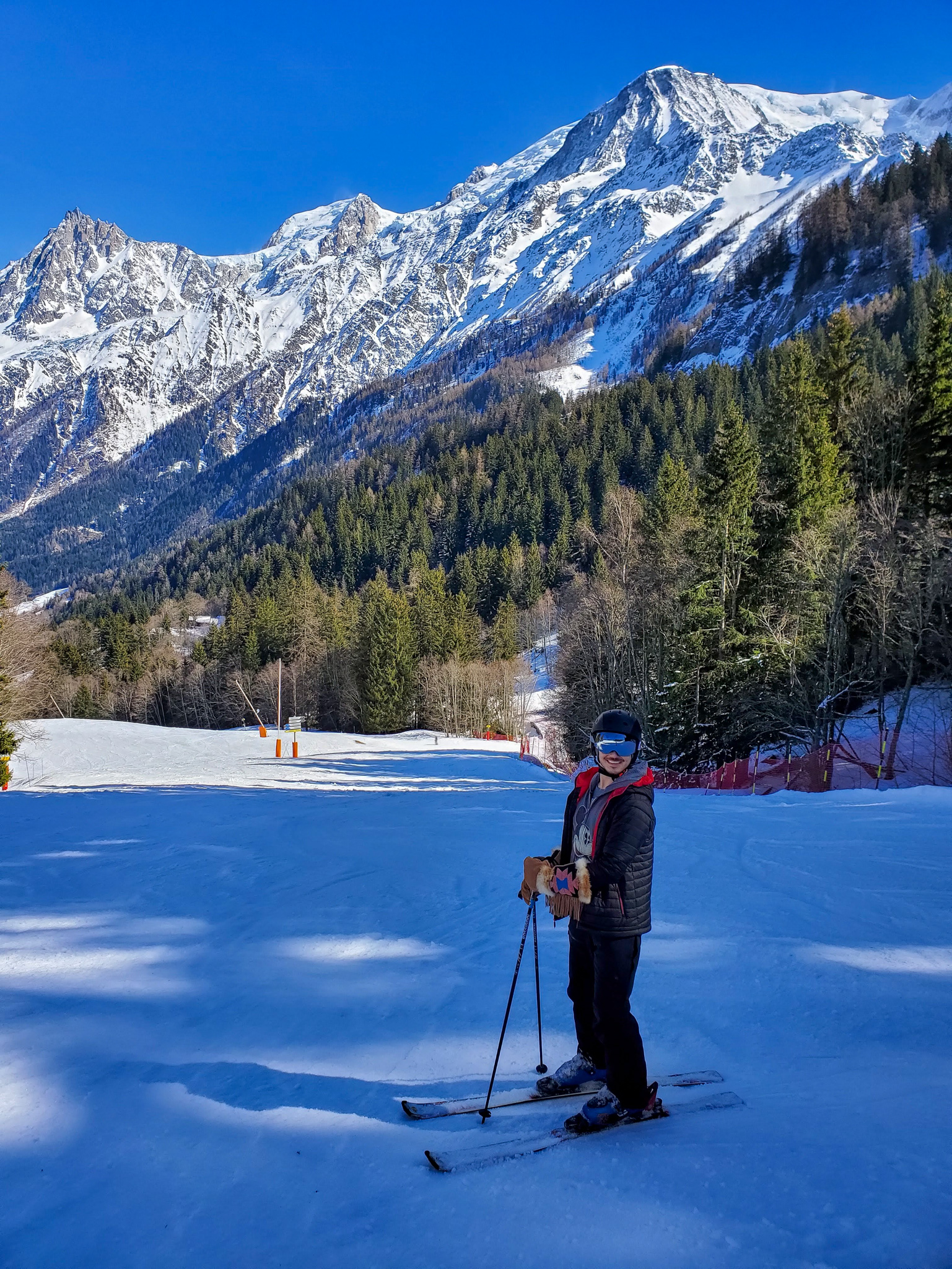
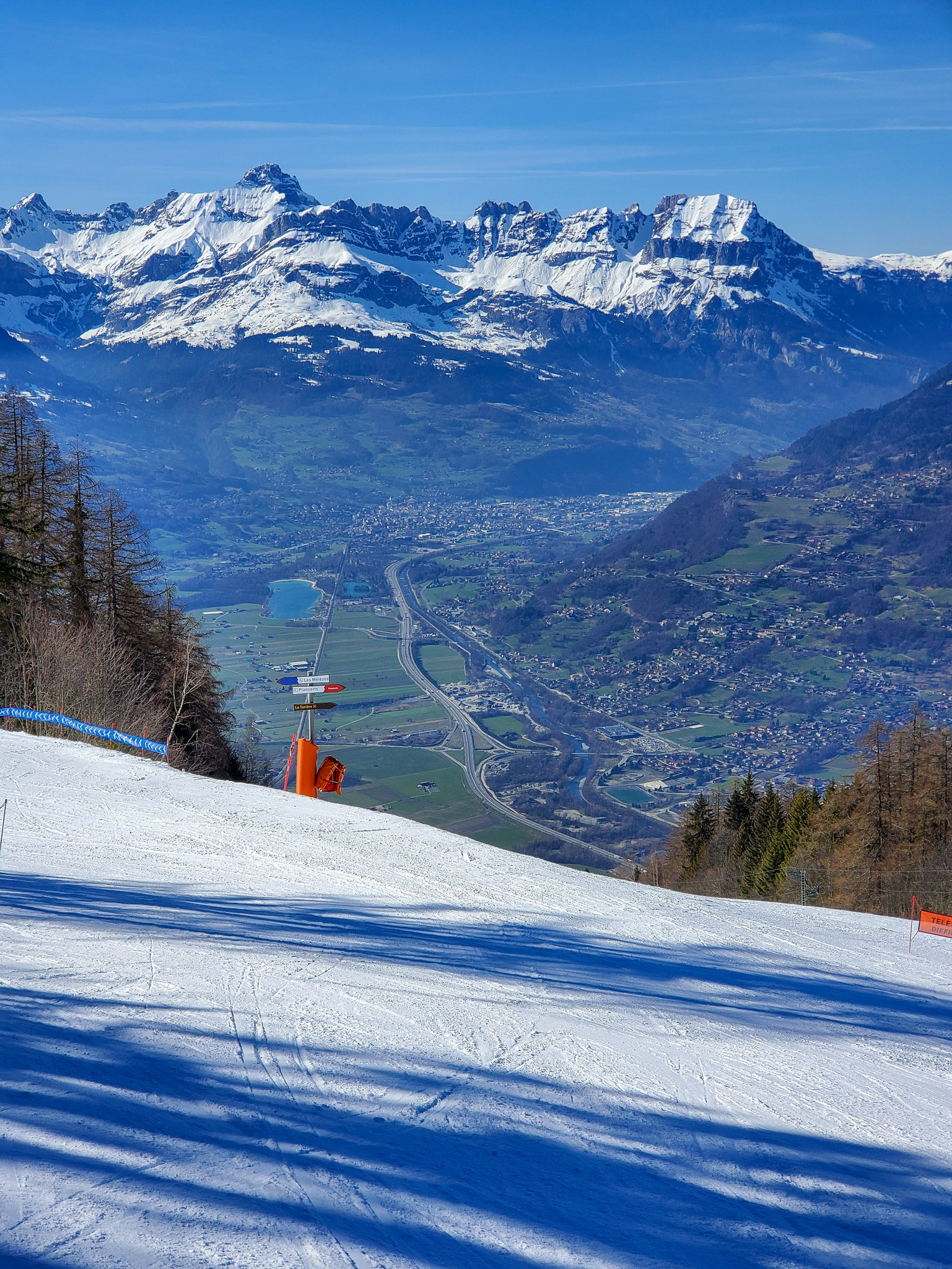
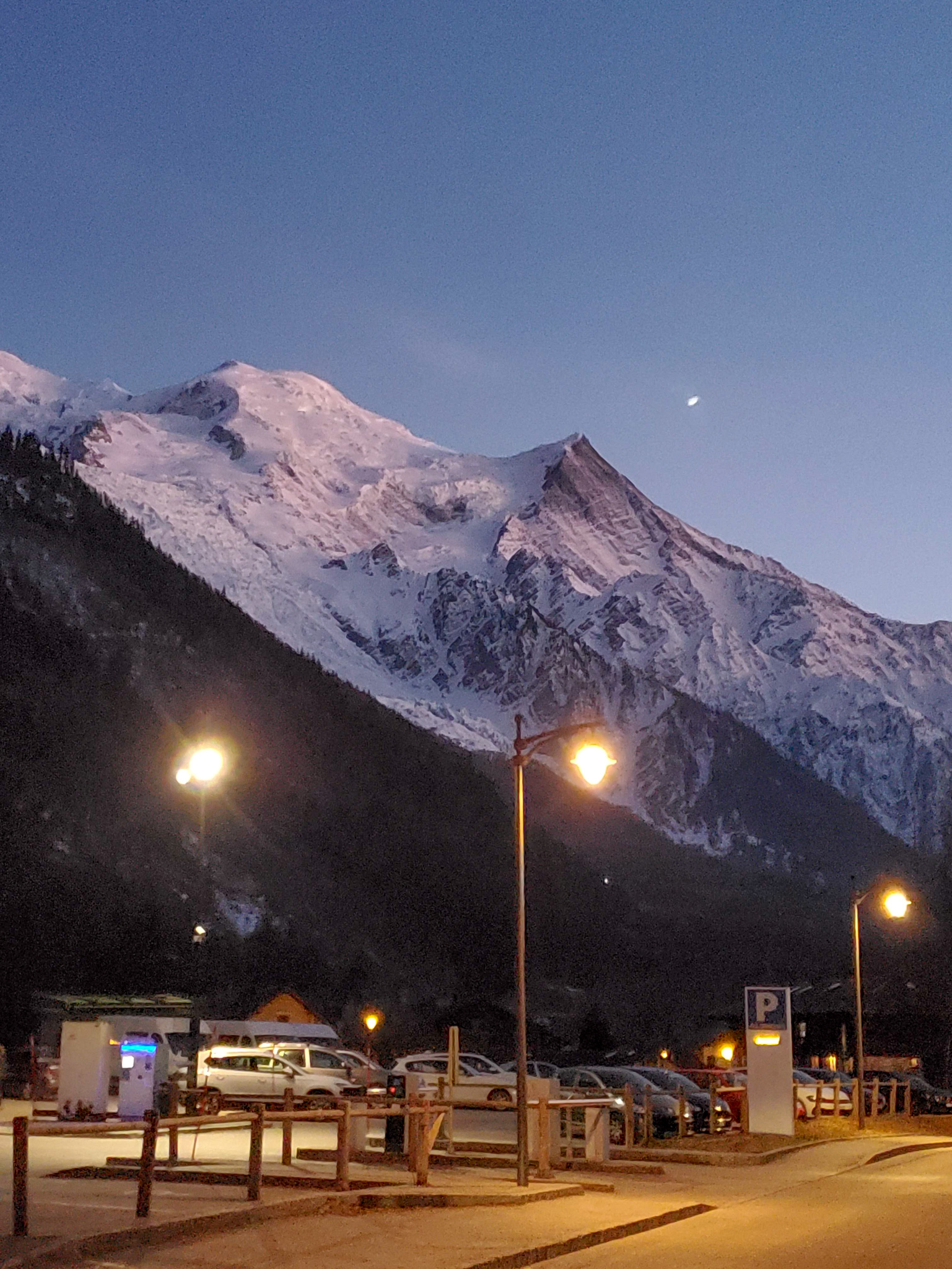
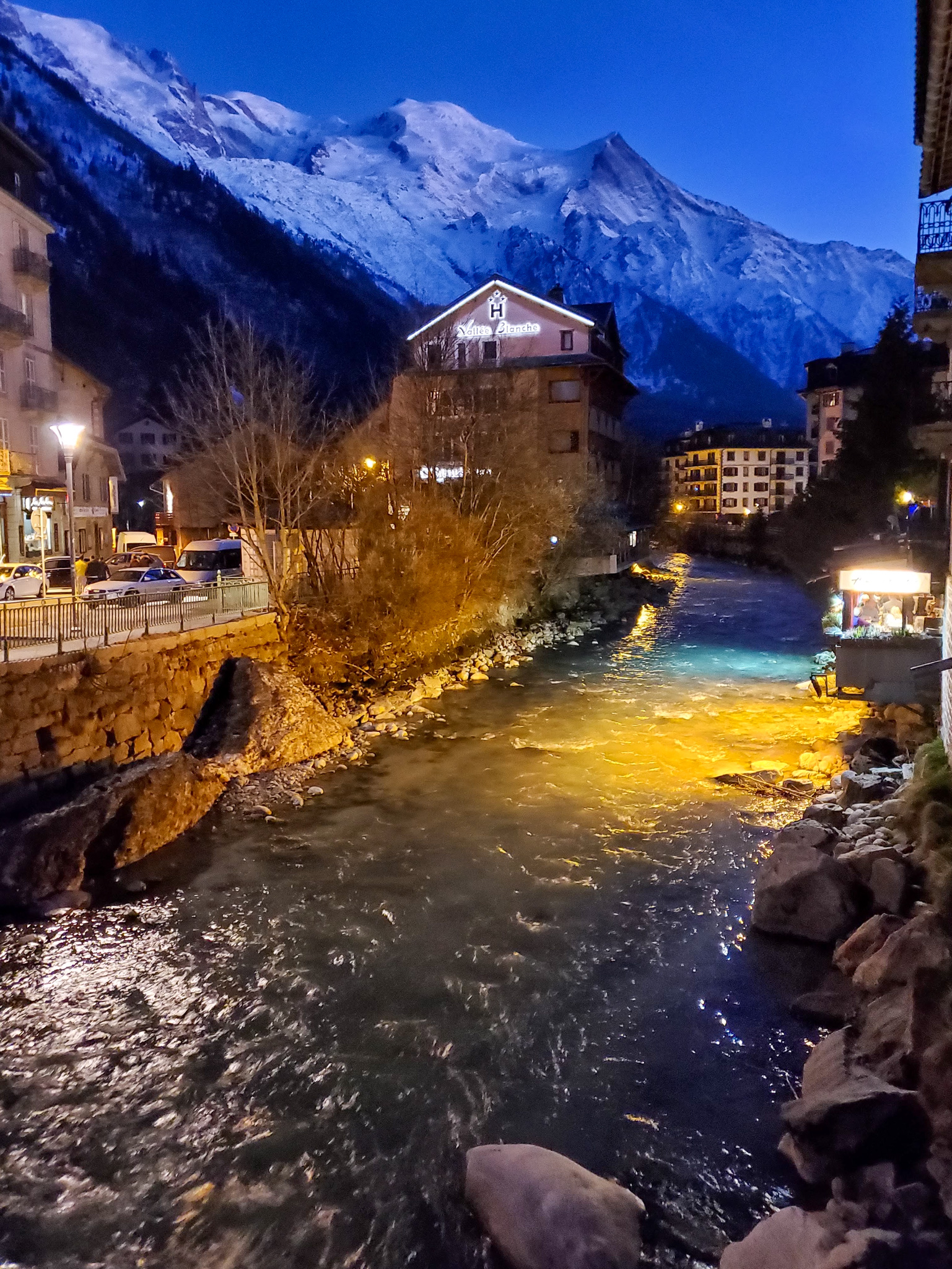
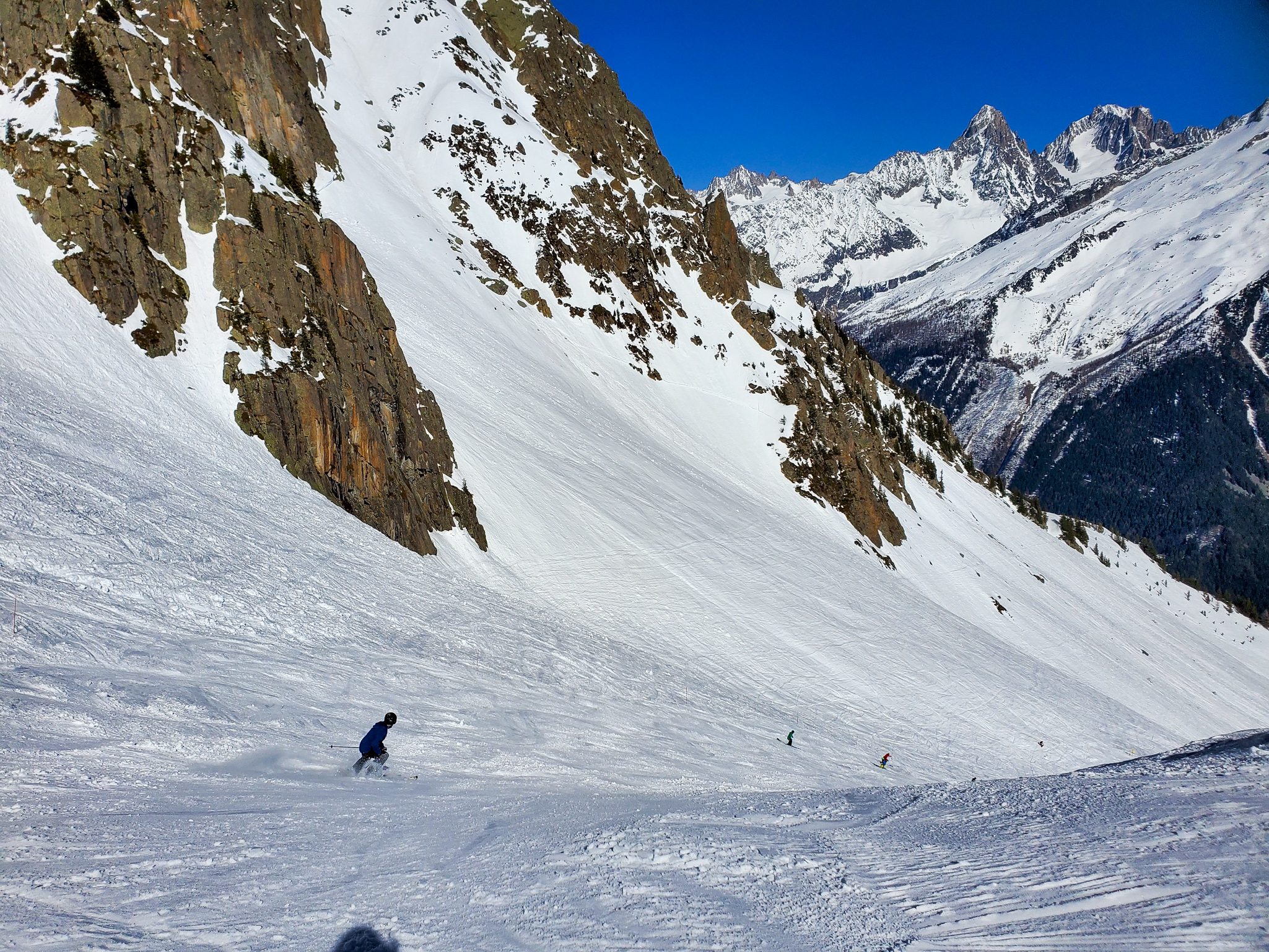
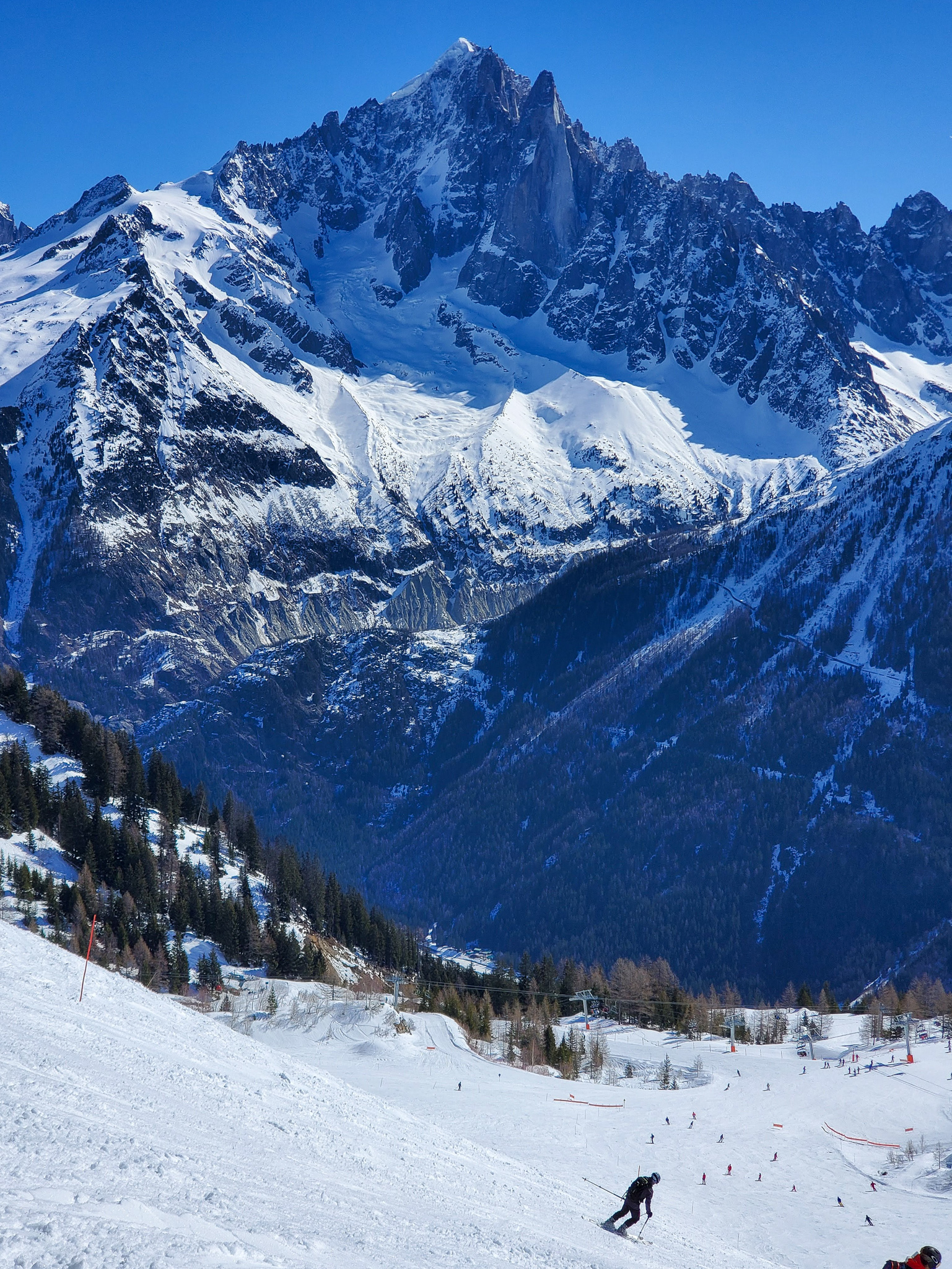
As the great photography cliche goes, ‘the best camera is the one that’s with you.’ As I began working on processing the photos from Europe off of my ‘real’ camera, I thought back to the camera I reached for even more often — my Samsung Galaxy S10. With its wide-angle, ‘normal’ and telephoto lenses, the Galaxy S10 makes for a surprisingly effective travel camera — so much so that I found myself capturing my experience with my phone even more often than my Sony a7rII.
Part of that is the fact that I only own one (useable) lens for my Sony. The 50mm prime lens paired with Sony’s incredible sensor makes it possible to get some beautiful photos, albeit with one rather extreme limitation: A 50mm lens only gets you 50mm shots. Would I have used my a7rII more often with a more flexible lens or broader set of lenses? Almost certainly. But the sheer convenience and quality of the S10 camera is hard to beat.
The best camera is the one that’s with you.
-Chase Jarvis
I plan on writing a full post with my best photos of our Europe trip on my (more strictly) personal blog, //Adventure soon, but I wanted to take the time after covering the Galaxy Unpacked event to share my experience with the S10 as a wonderfully versatile, convenient travel camera. This is what I learned.
The Samsung Galaxy S10 is a marvel of modern engineering. Its slim form factor made of elegant curved glass and an enormous screen is perfectly paired with powerful internal components. On its back, the S10 has a robust array of three cameras: a 12MP dual-aperture regular lens, a 12MP telephoto lens, and (the real killer) a 16MP ultra-wide lens.
These three cameras, plus the front-facing camera along with well tuned image processing make the S10 into a flexible photo-capturing beast that I found myself reaching for over and over again.
The Cameras
Your Standard Shooter
Let’s start with the primary camera: the 12 megapixel sensor with a 26mm-equivalent f/1.5-2.4 aperture lens. This so-called ‘normal’ lens is wider than what you might consider ‘normal’ on any other camera (e.g. 35-50mm), but it lines up with the standard camera on almost every smartphone.
Samsung has really honed their photographic expertise over the years. It wasn’t that long ago that the only way to have a good camera on a phone was to own an iPhone. Those days are gone, and today Apple has to work to keep up with Samsung — although both could learn a lot from the Google Pixel 3. In February 2019, DxOMark rated this the best overall smartphone shooter of the time.

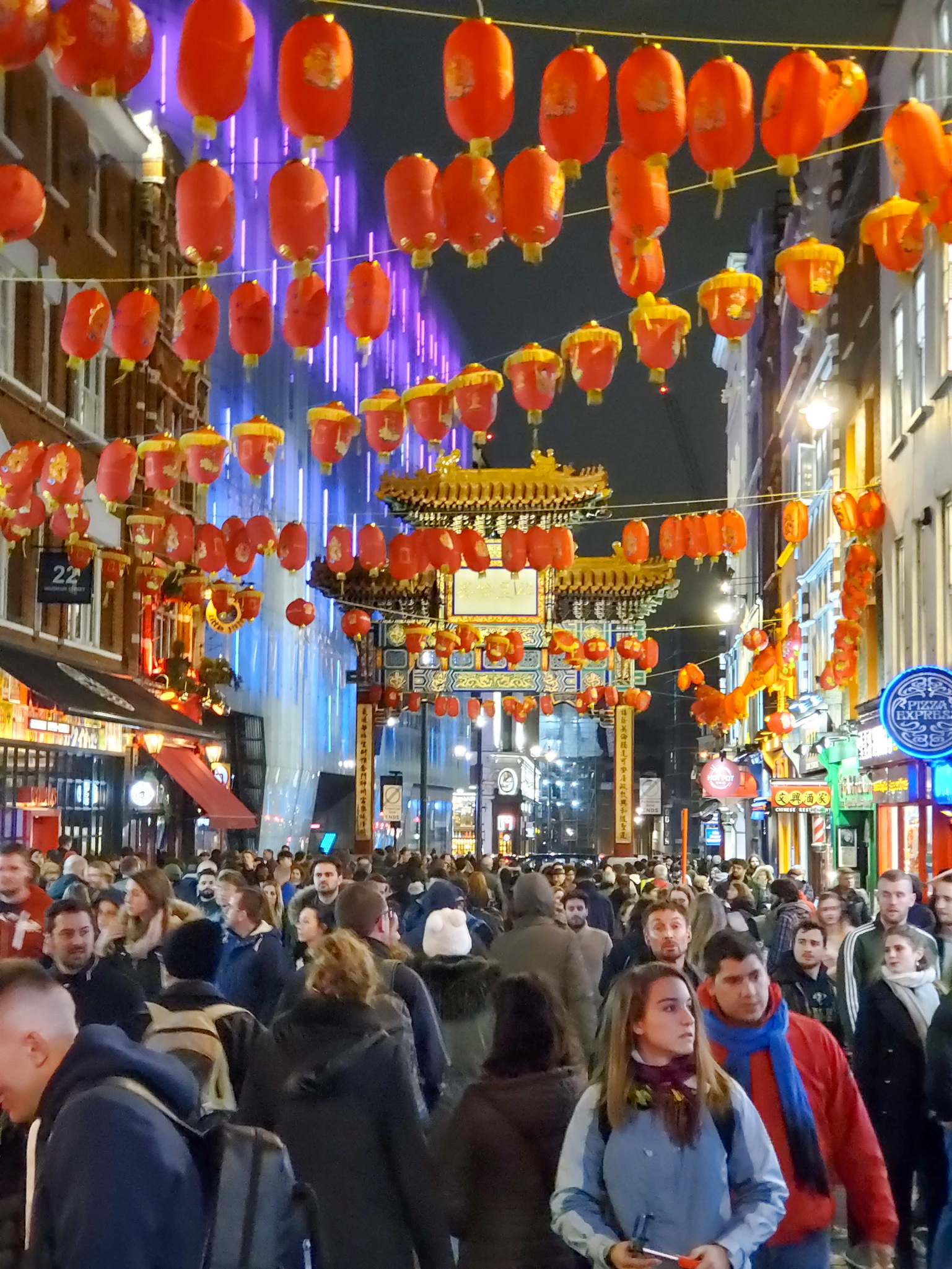
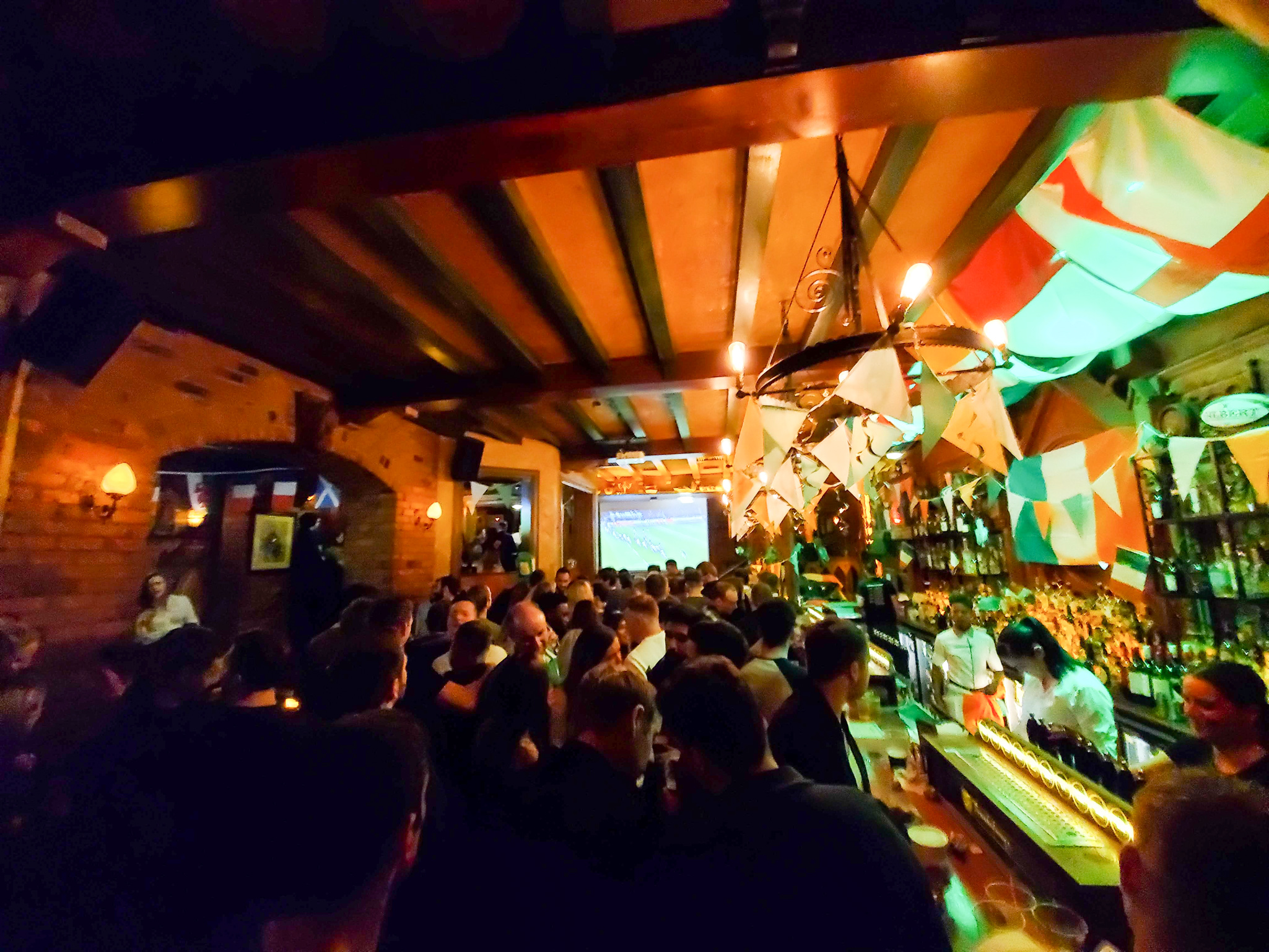
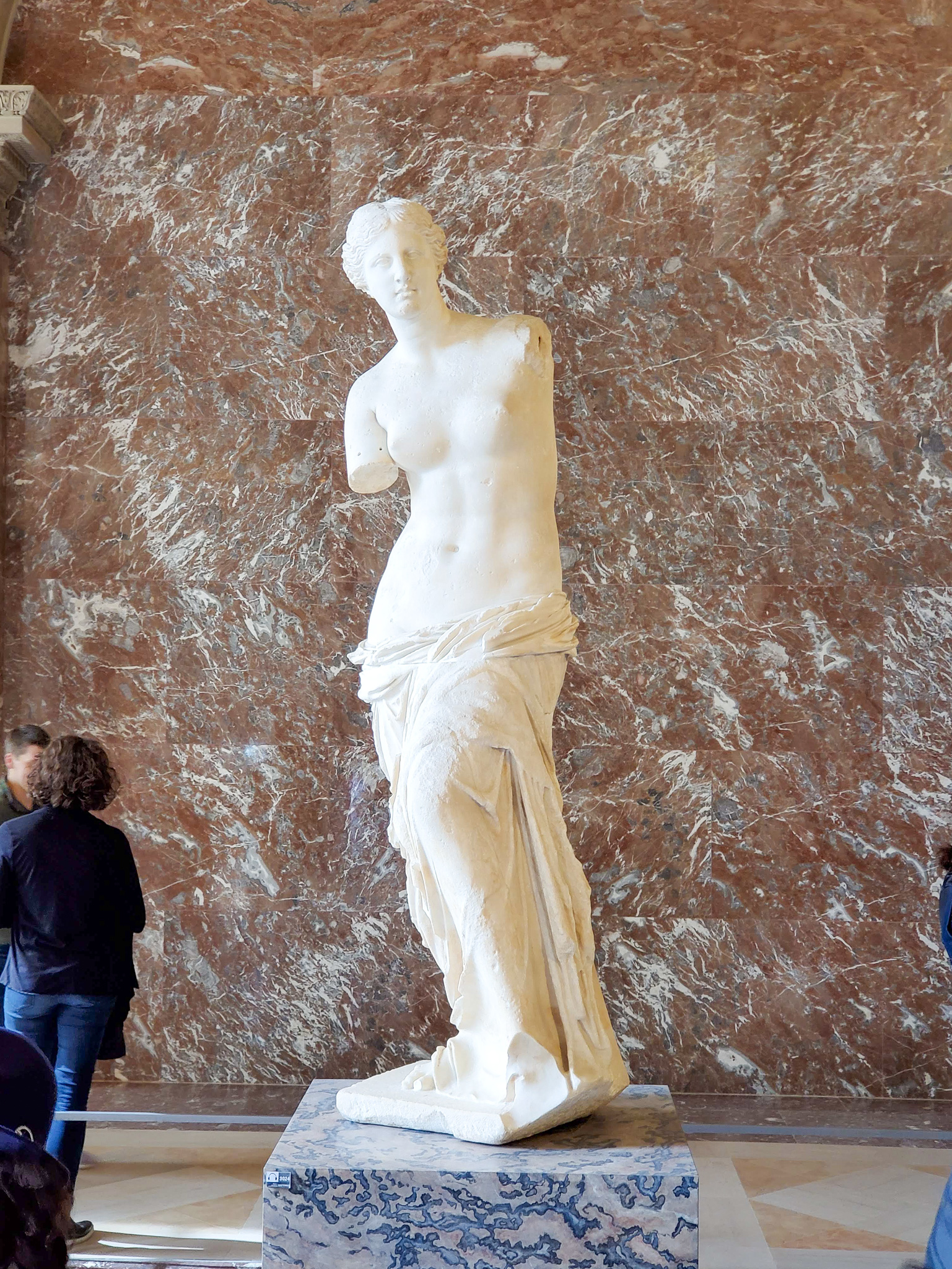
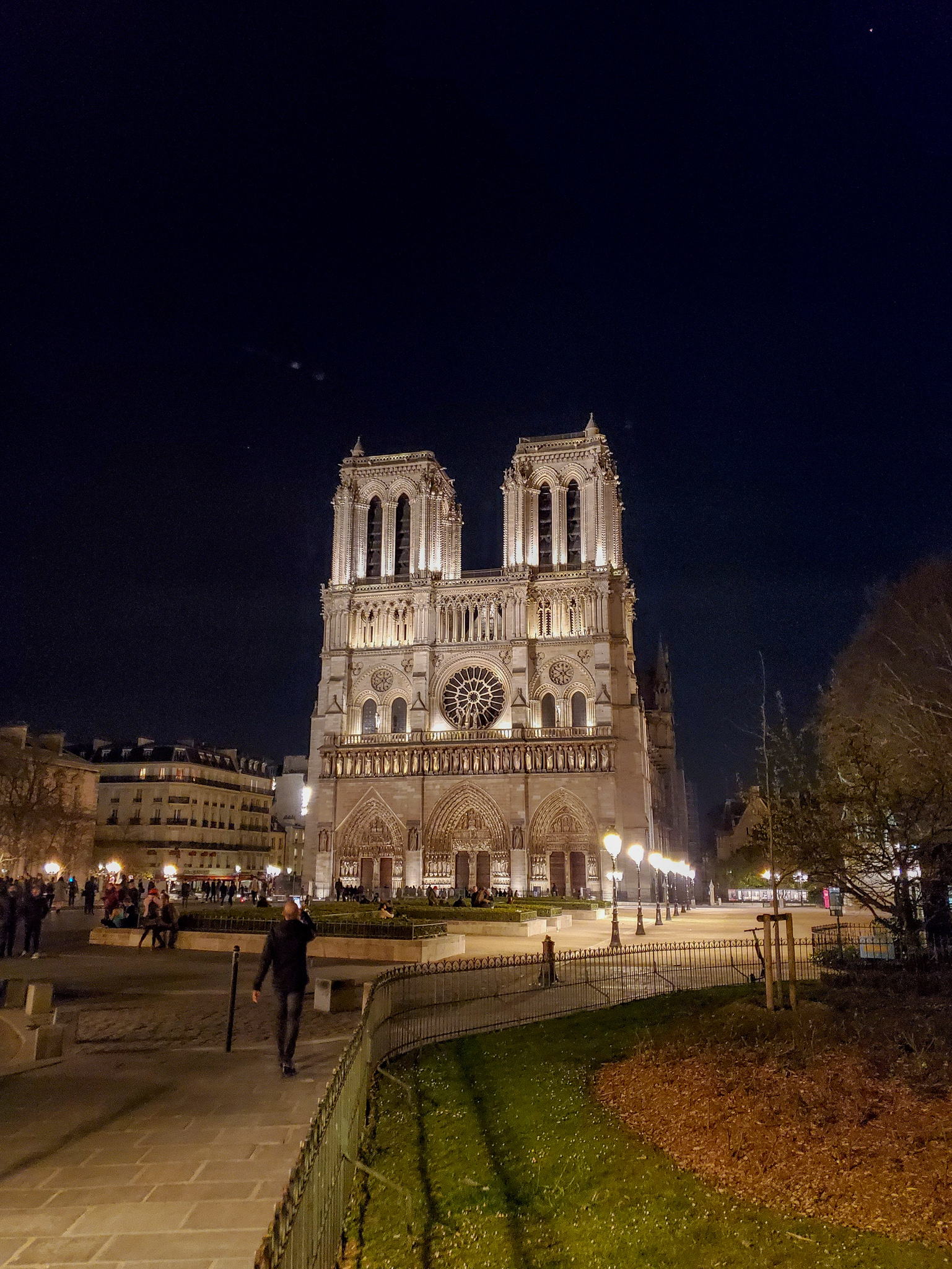
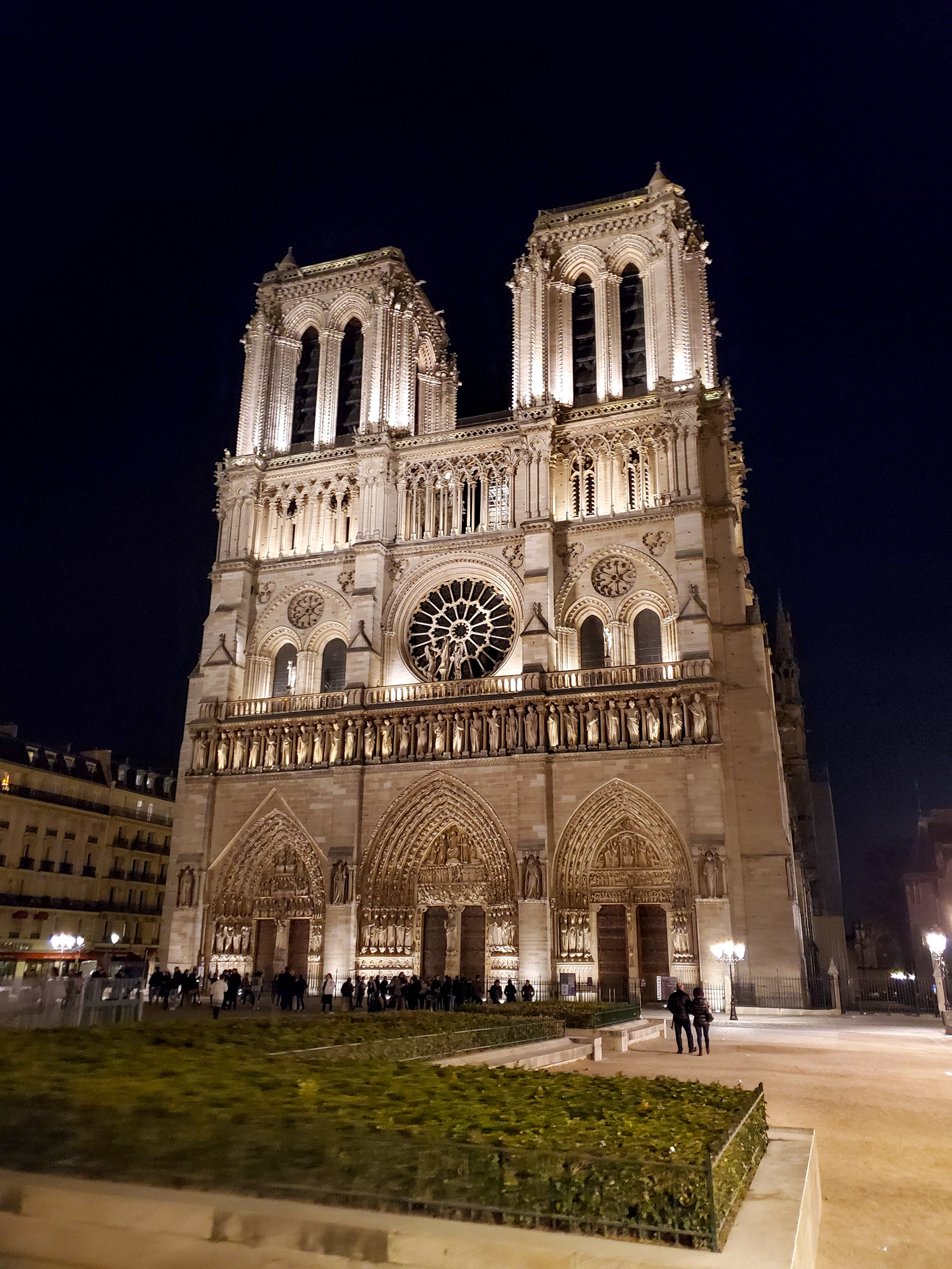
Whether we were galavanting through the streets of London at night or exploring the crowded halls of the Louvre, I knew I could depend on this remarkable little camera. With a snappy launch time, excellent dynamic range and surprisingly good low-light performance, my S10 always felt up for the task and ready to capture any moment.

Let’s talk about that dual-aperture feature for a second. The feature was introduced with the Galaxy S9, but there’s wide debate over how well it works to do what Samsung says it does. In theory, f/1.5 will significantly improve low-light image quality by letting in more light than the f/2.4 aperture. If we have more light, the camera is better able to expose, and we rely less on other tricks to make your image visible that will otherwise reduce quality. In practice, well, I don’t know?
Many professionals say that while the aperture change certainly doesn’t hurt, it also won’t make nearly so much a difference with a sensor on such a small scale. In my experience, I’ve found that the S10 performs quite well in dark spaces, although images come out slightly softer than during the day — a common characteristic of wider apertures. But it’s hard to tell what aperture the S10 is choosing to use at any given moment. Without a third party camera app you really have no control over it.
Ultimately, what matters is how the S10 handles low-light photography, and I have been pleased with the results.
Zoom In… Enhance
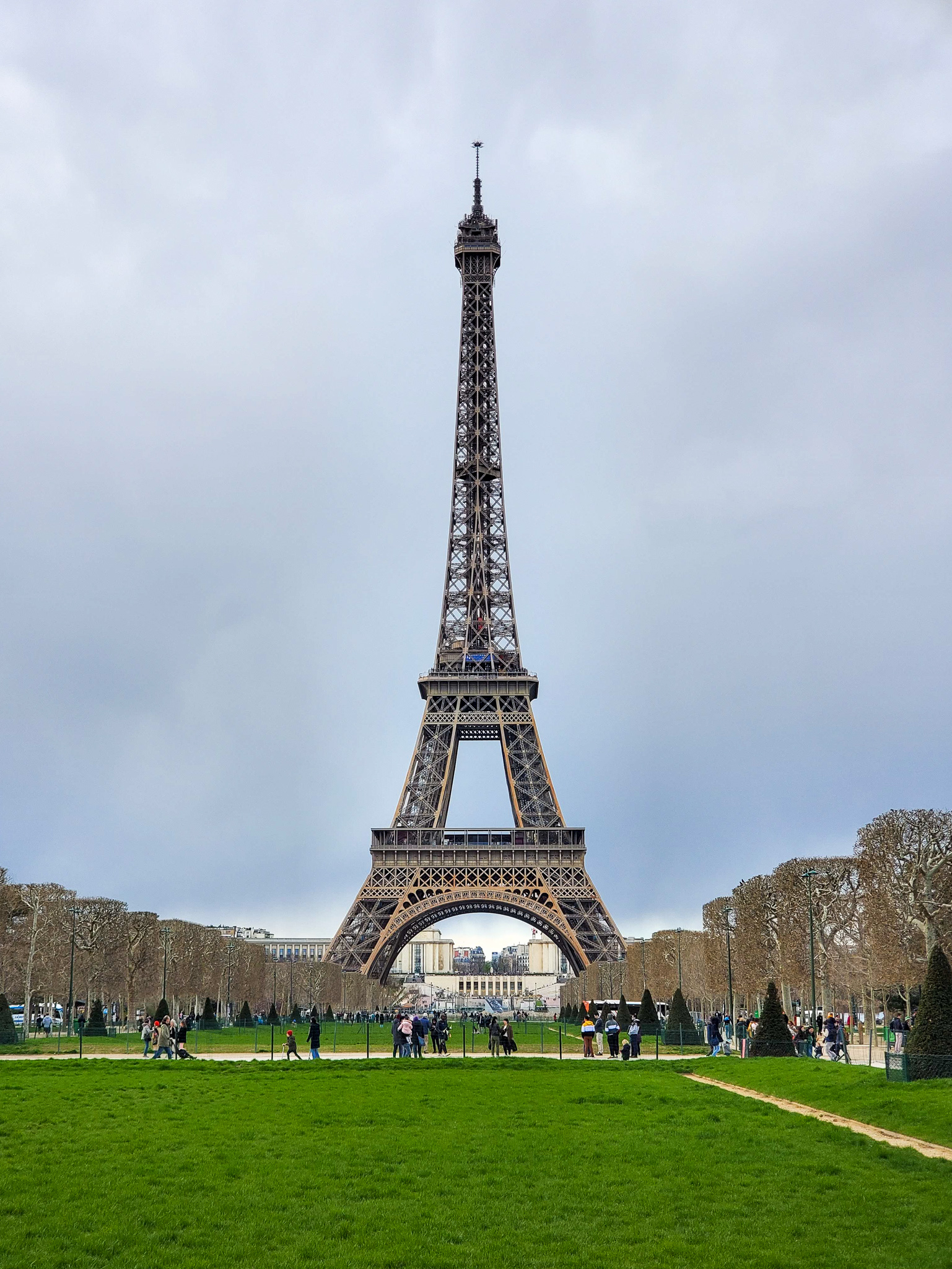
The second lens in the S10’s ‘camera bag’ is a 52mm equivalent f/2.4 camera backed by another 12MP sensor. It’s not clear if this sensor is the same as the one in the regular camera module, but the images come out sharp and vibrant.
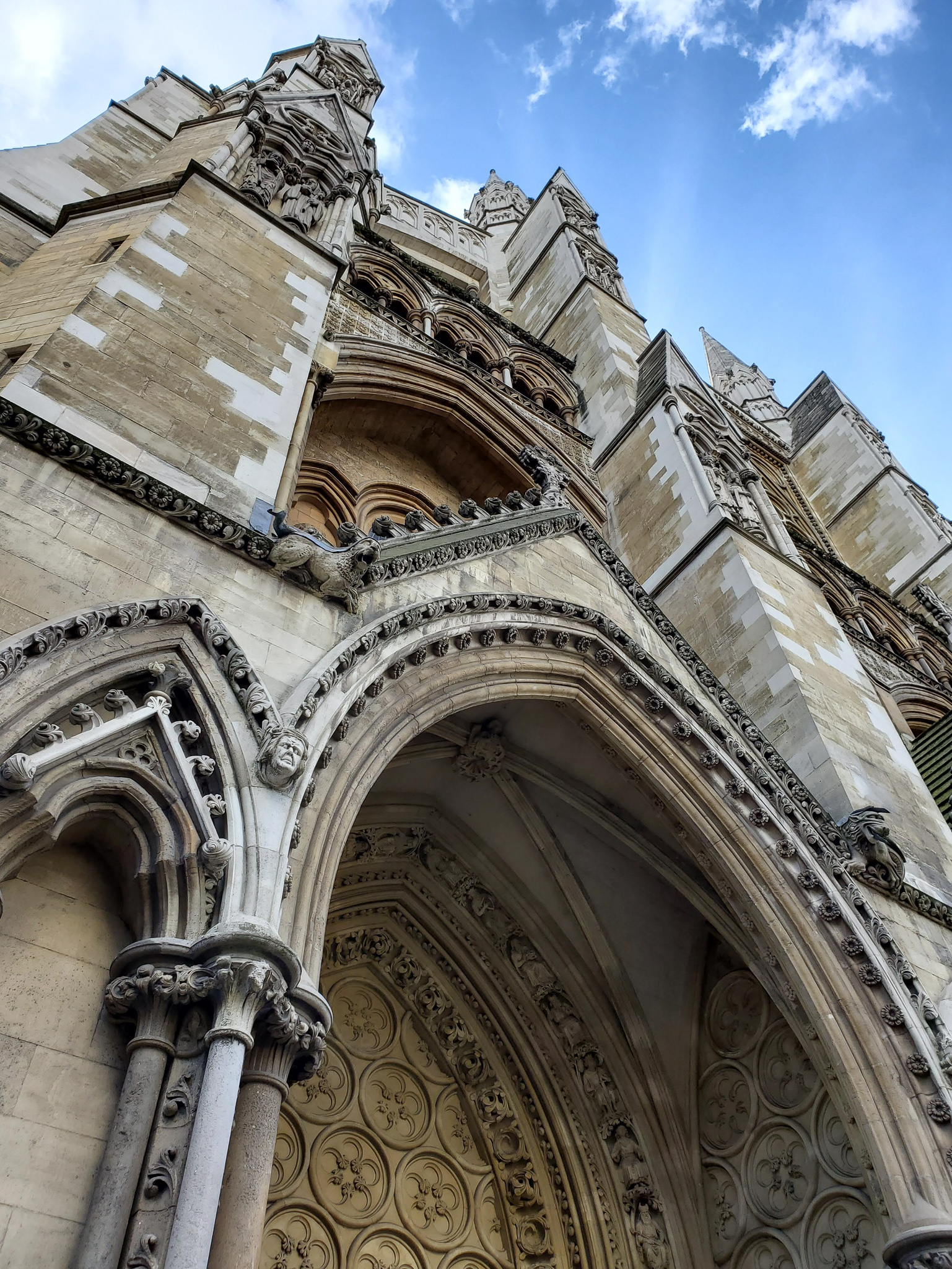
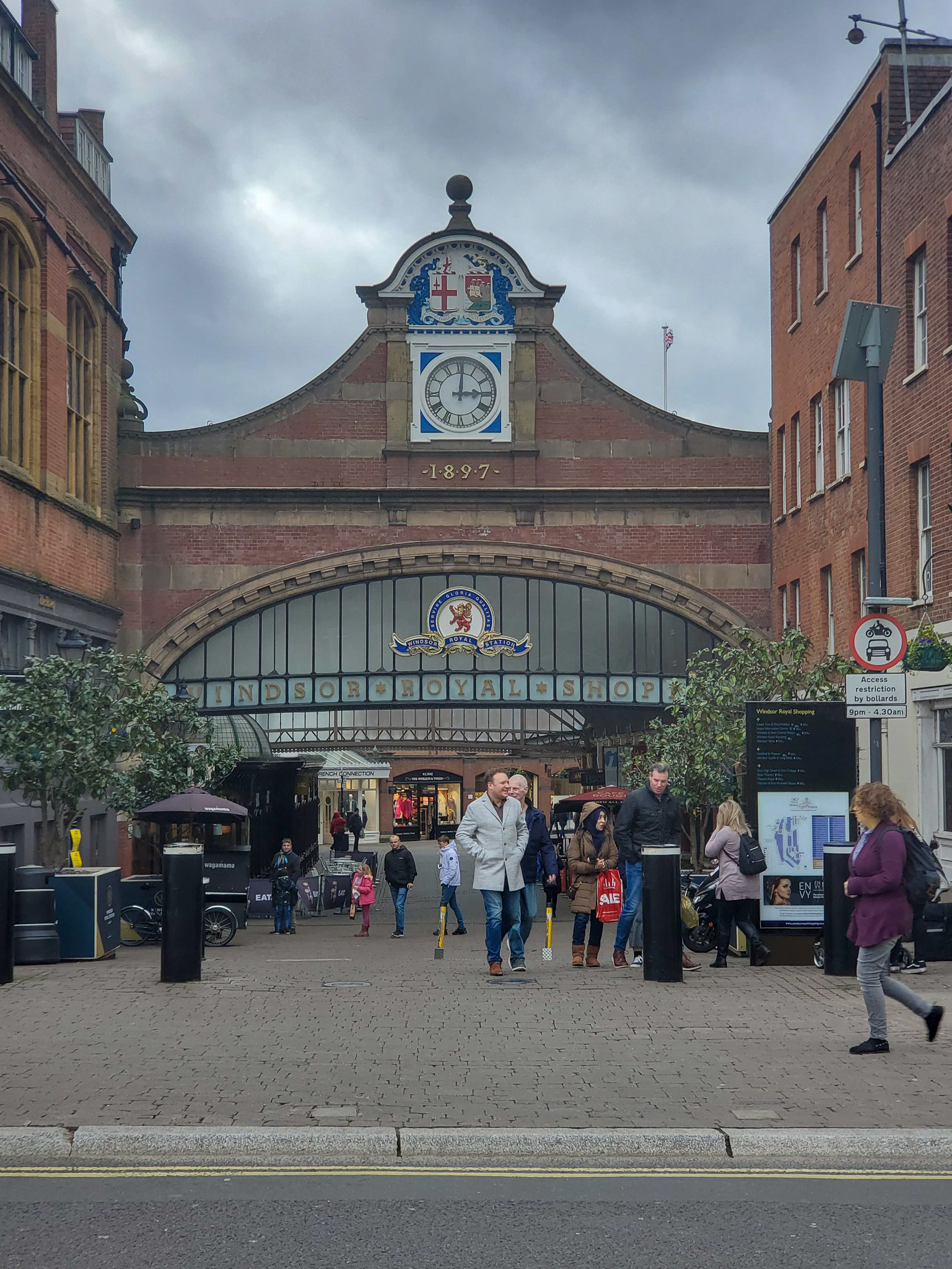
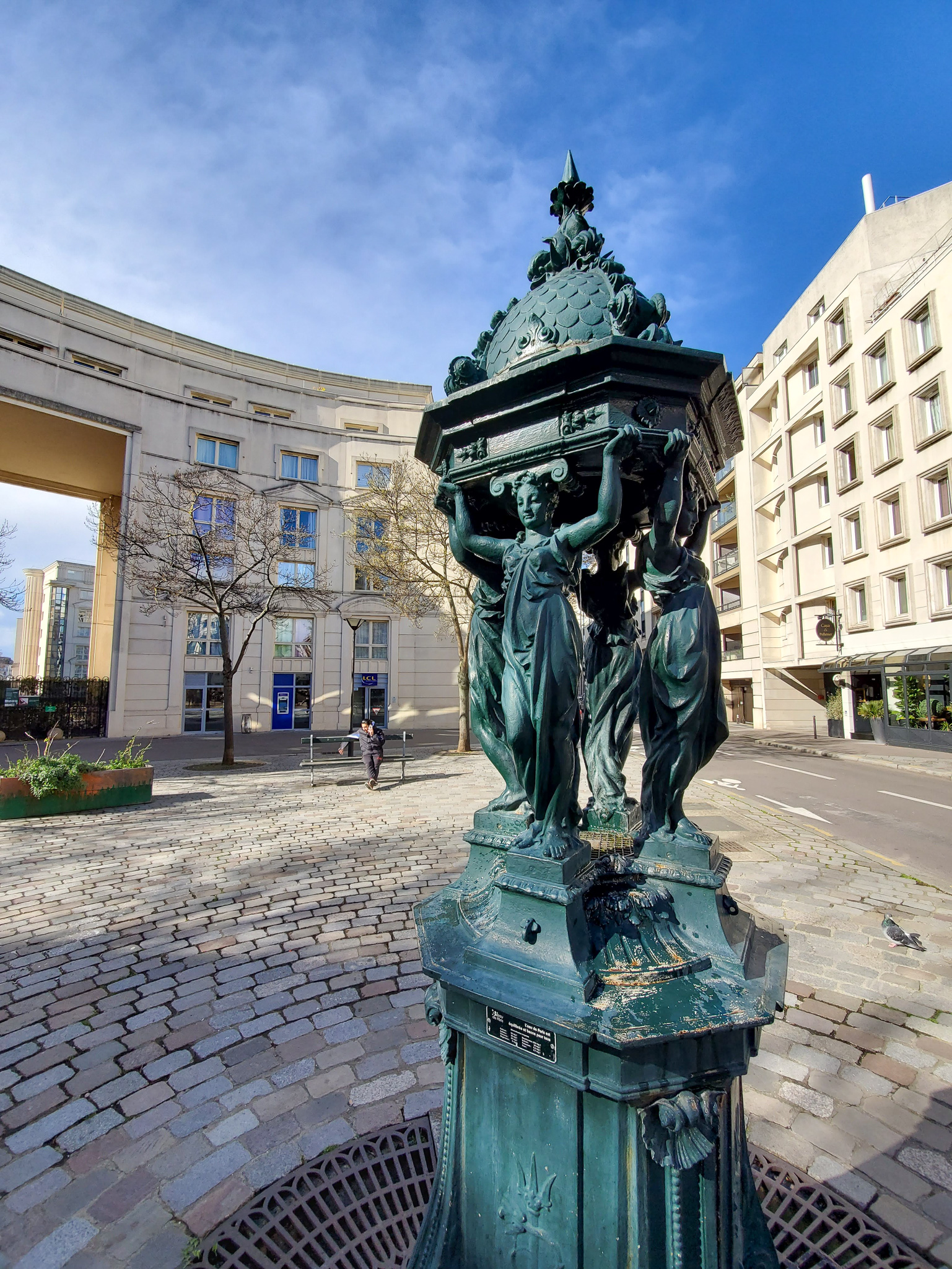
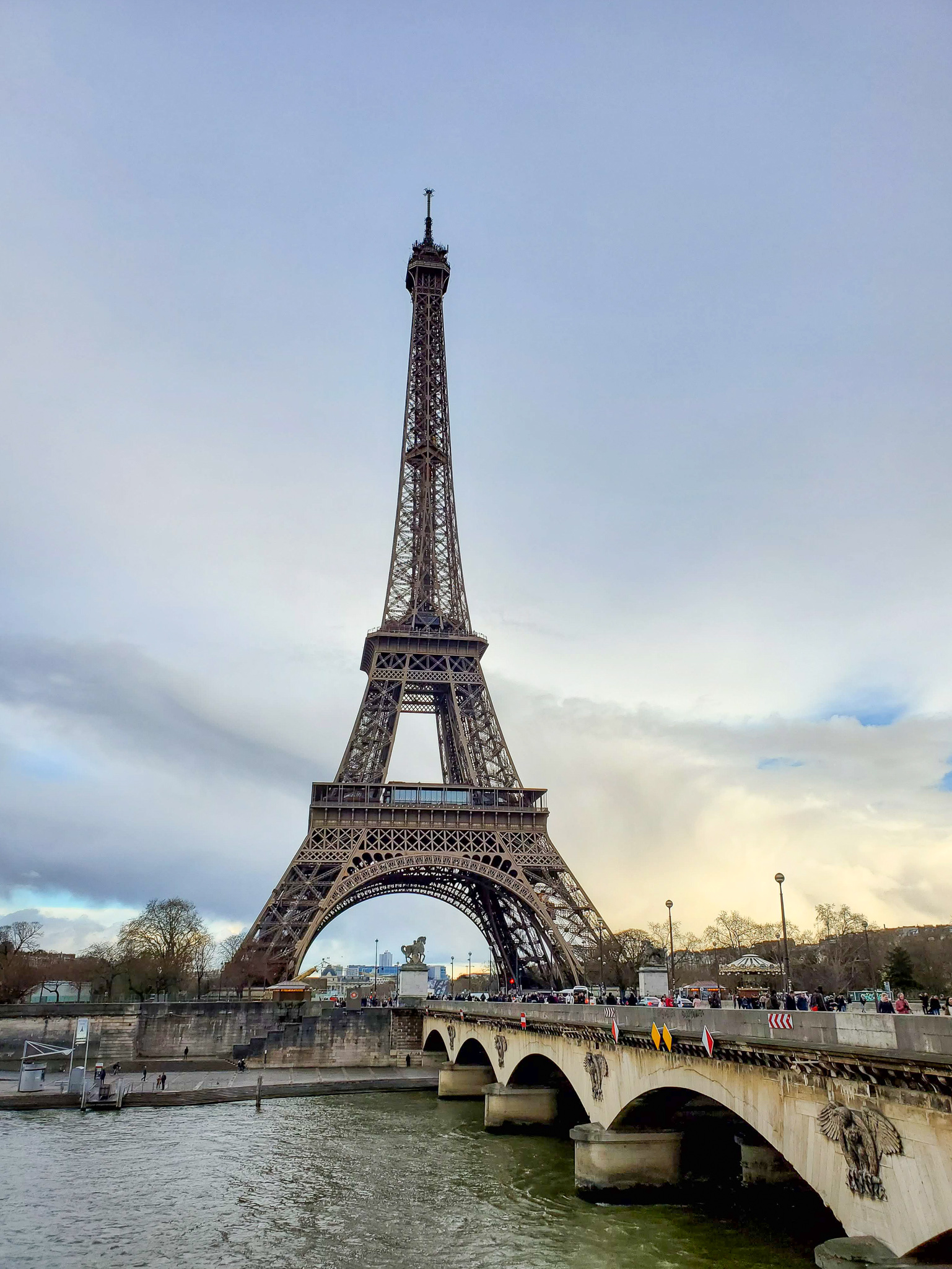
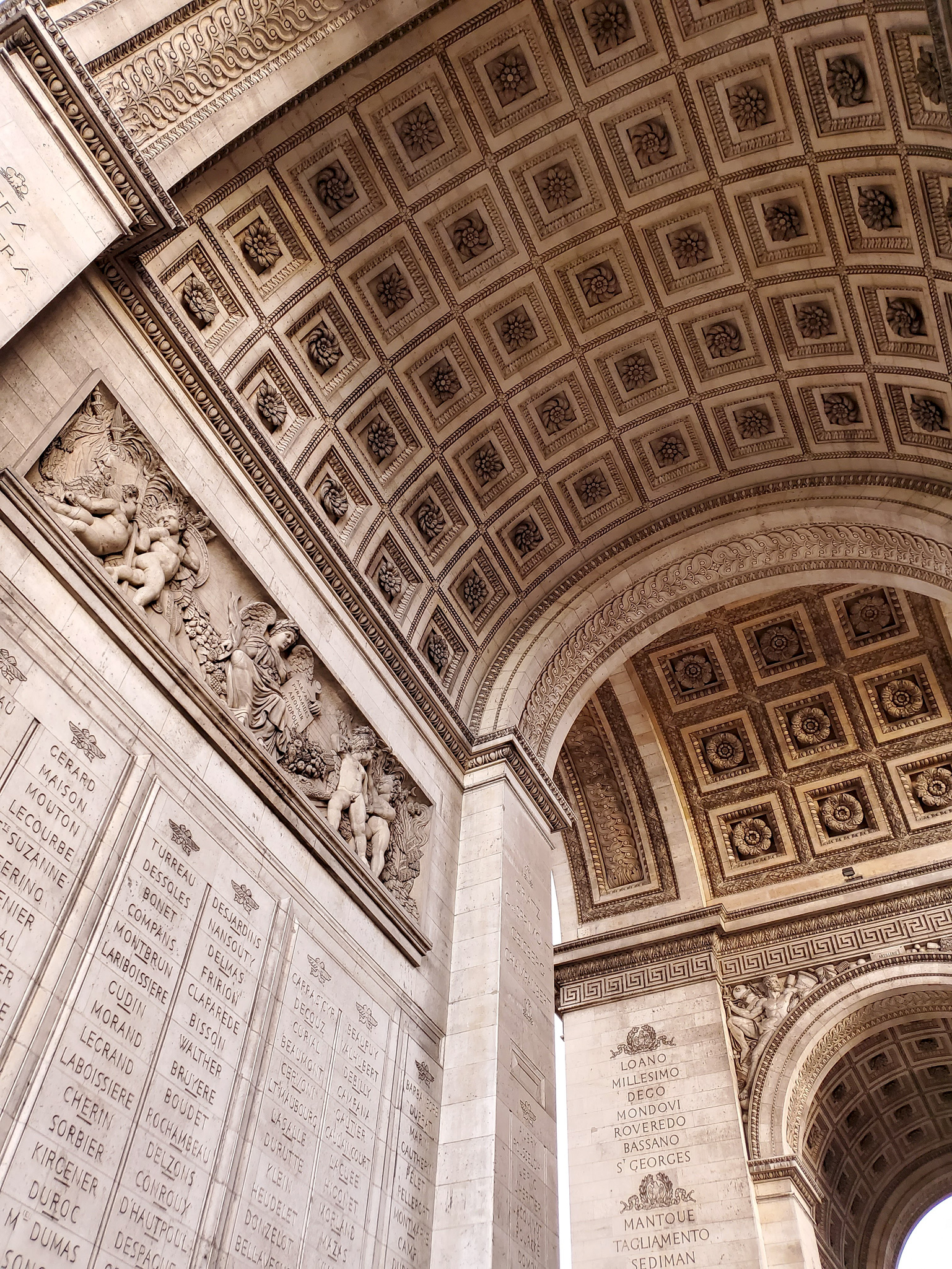
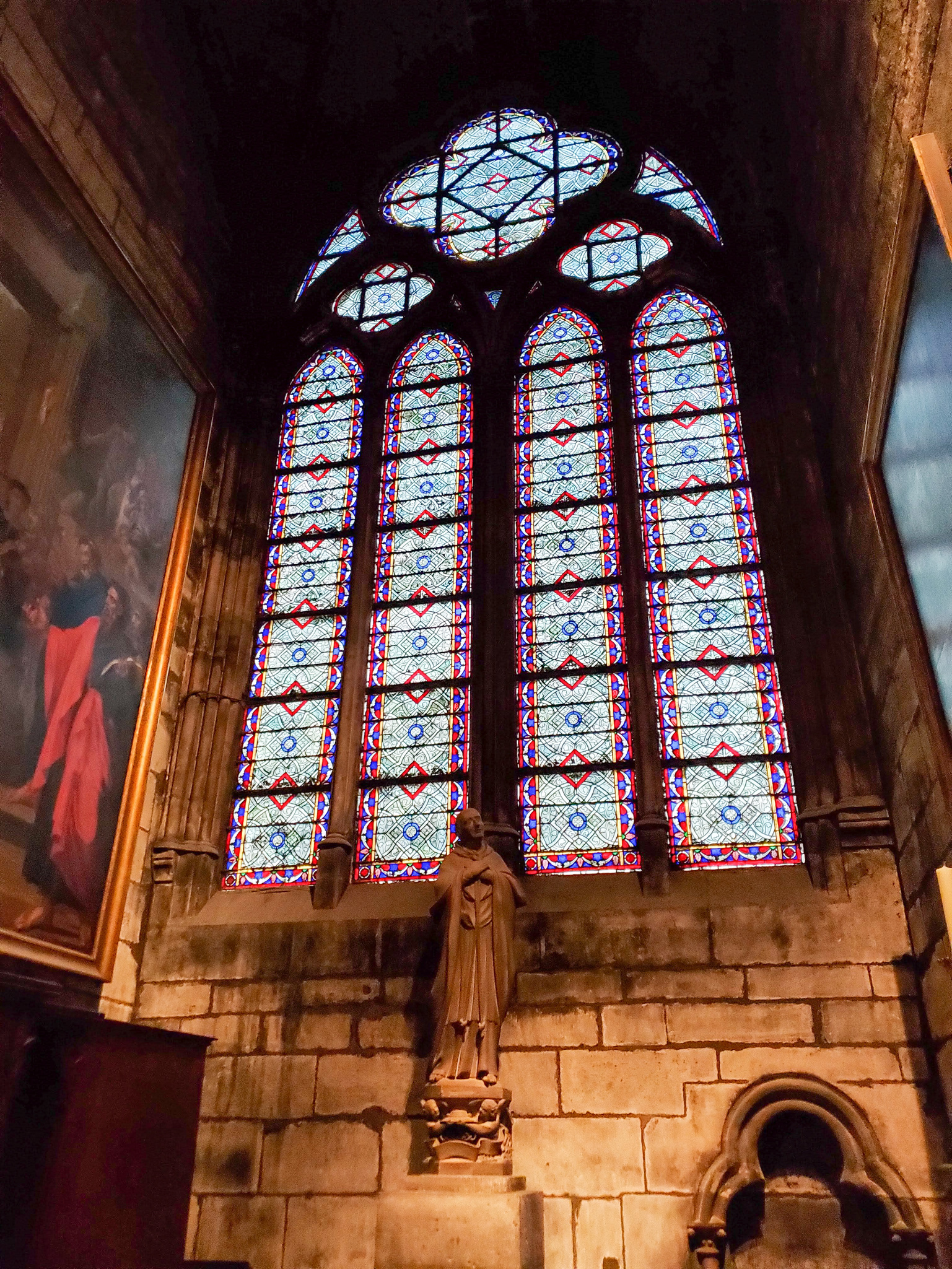
I found the telephoto lens great for capturing detail on the intricate buildings that are scattered around the UK and France, as well as for creating more interesting and varied compositions. The compression that this lens affords brings a different look to pictures that you wouldn’t historically expect from a phone. Of course, today, almost every flagship phone has at least a telephoto lens on the back — making this a useful, but not all that extraordinary addition to the S10 as a travel camera.
Open Up
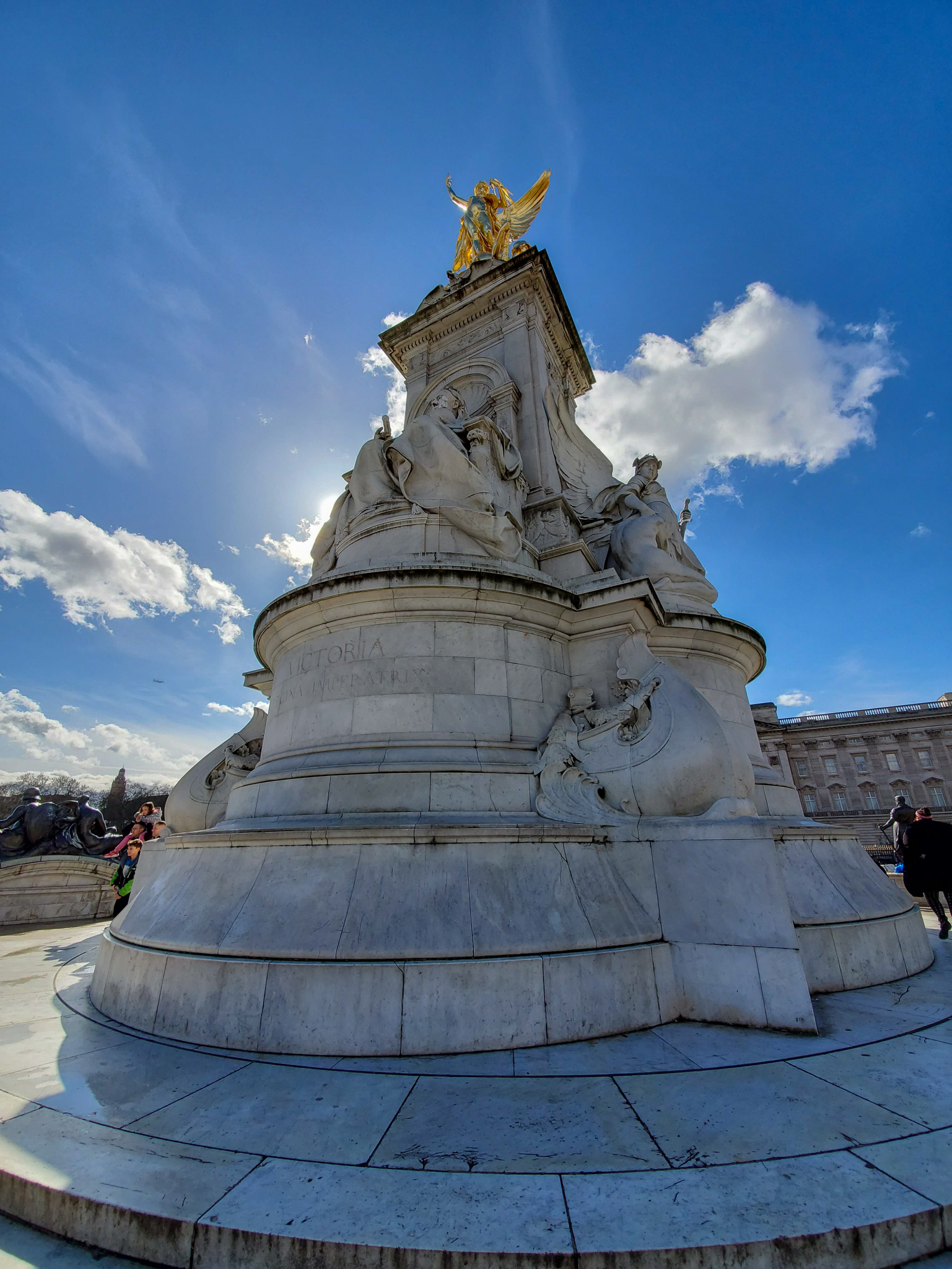
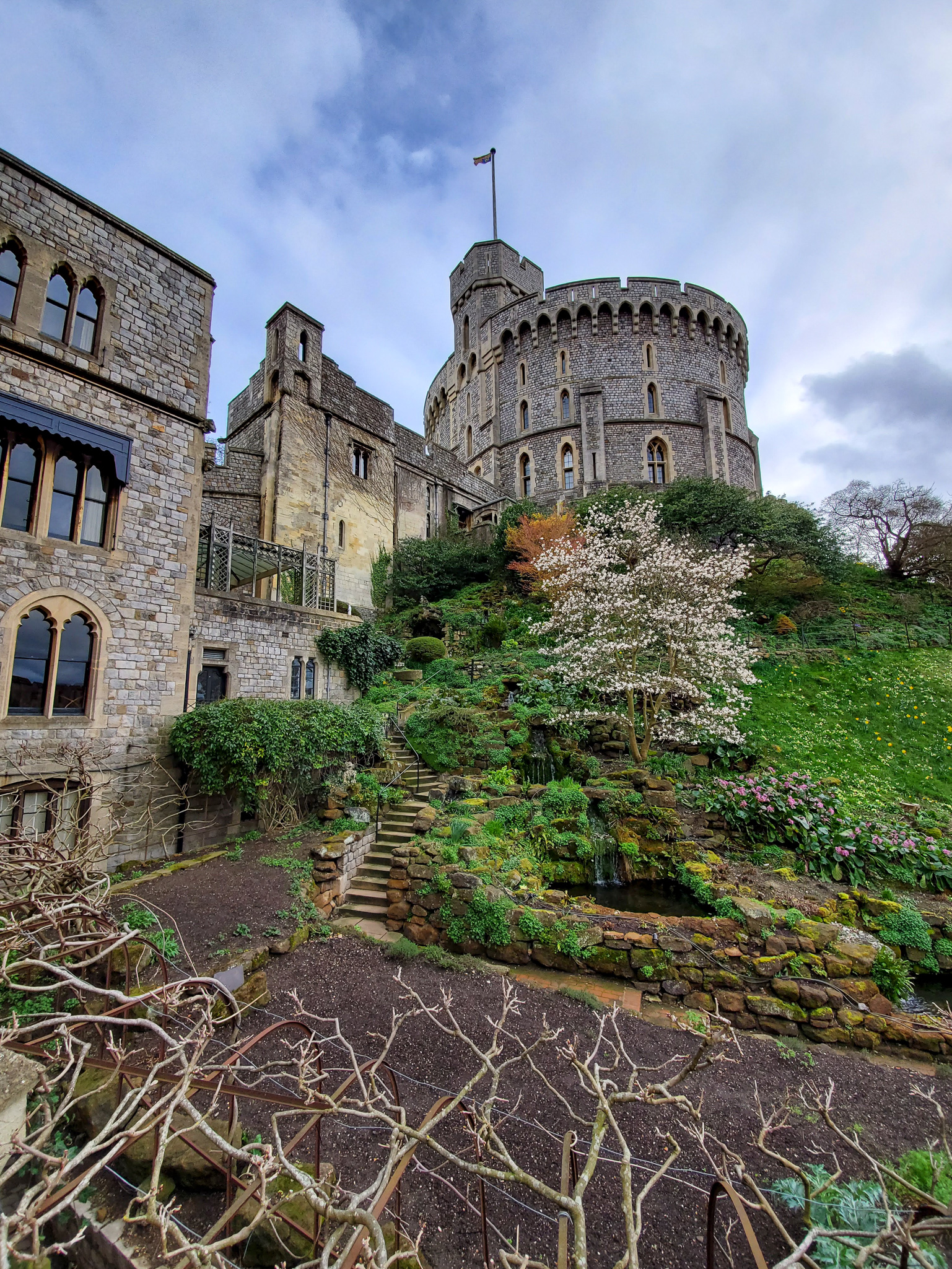
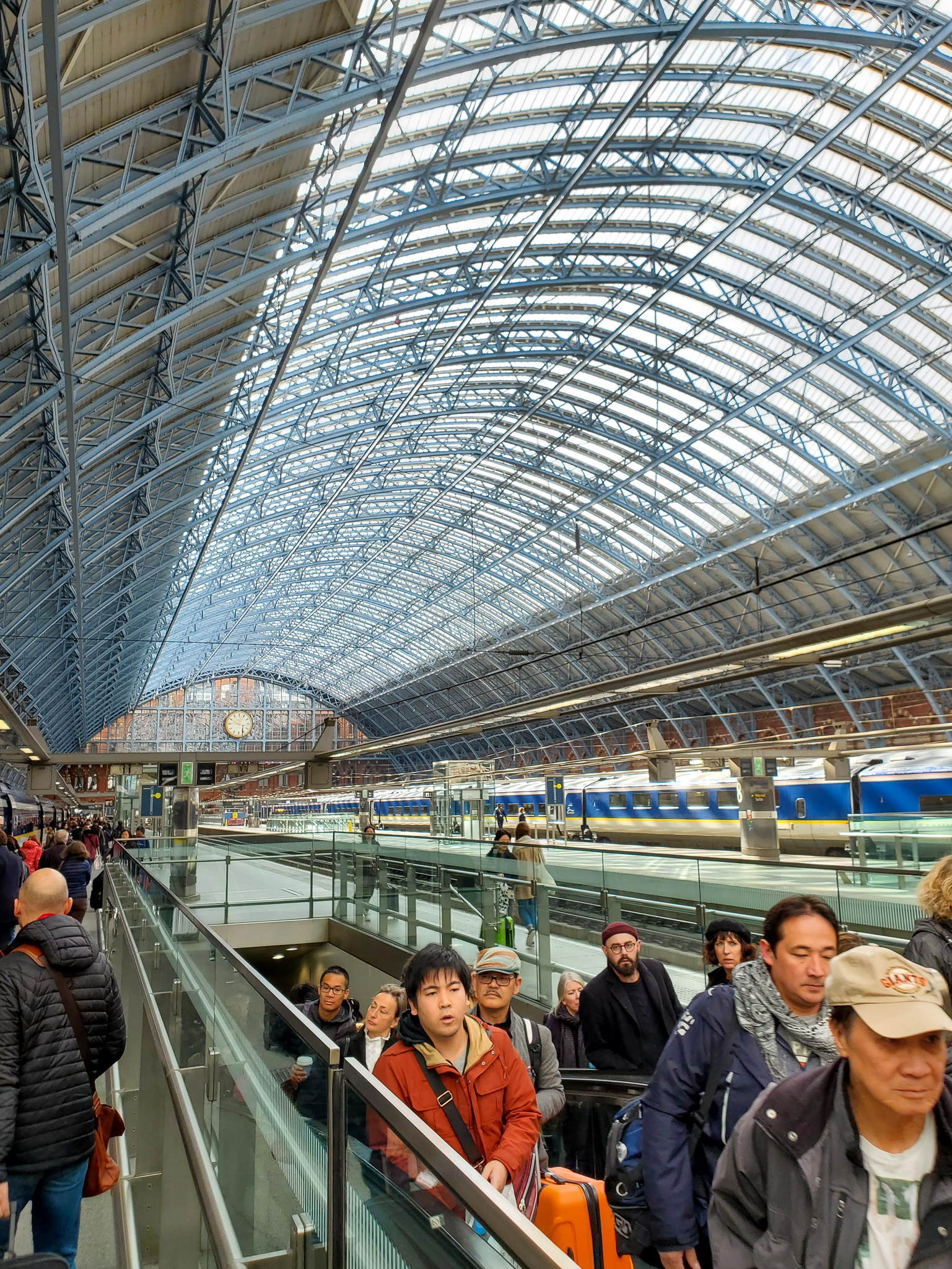
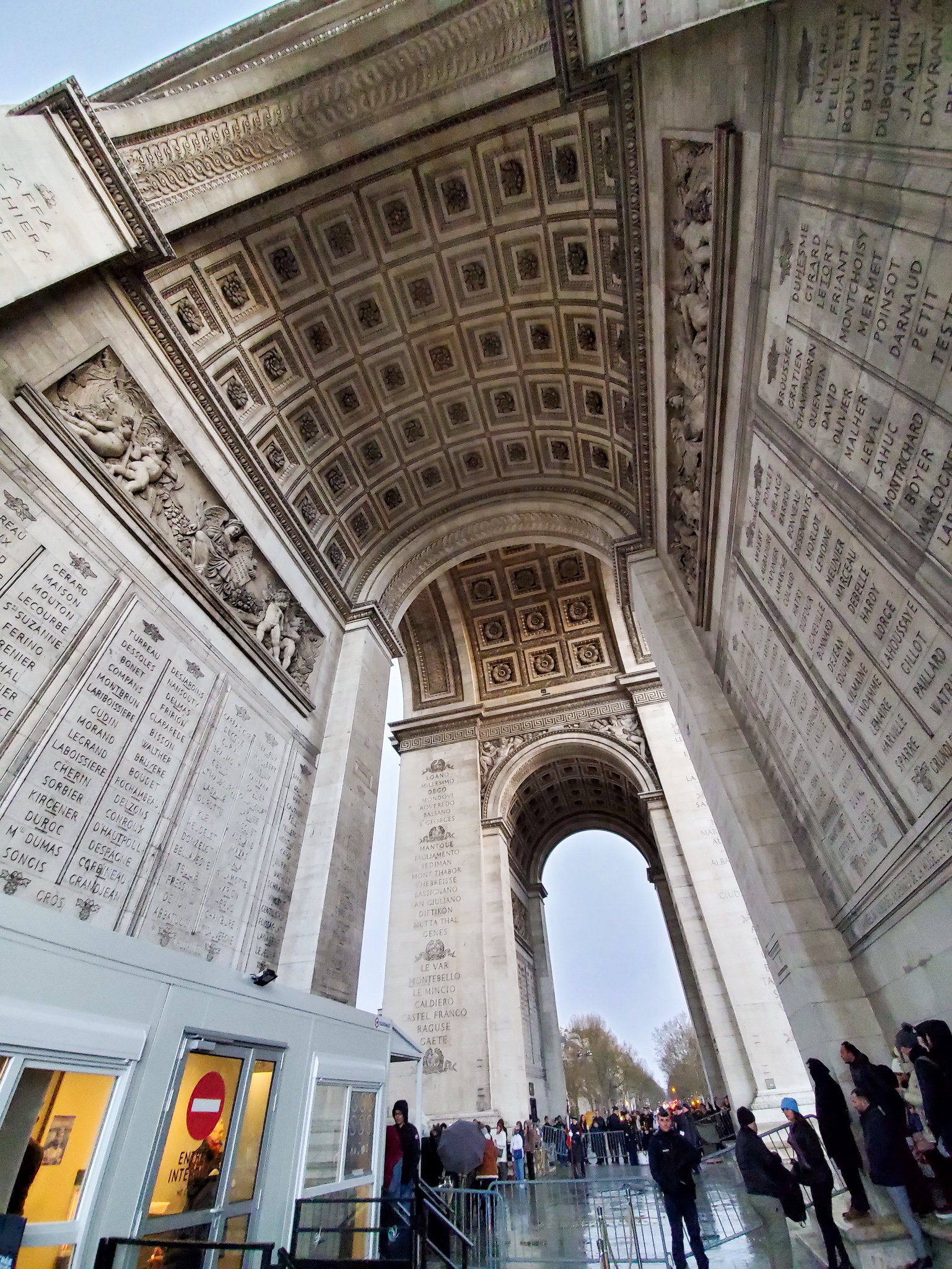
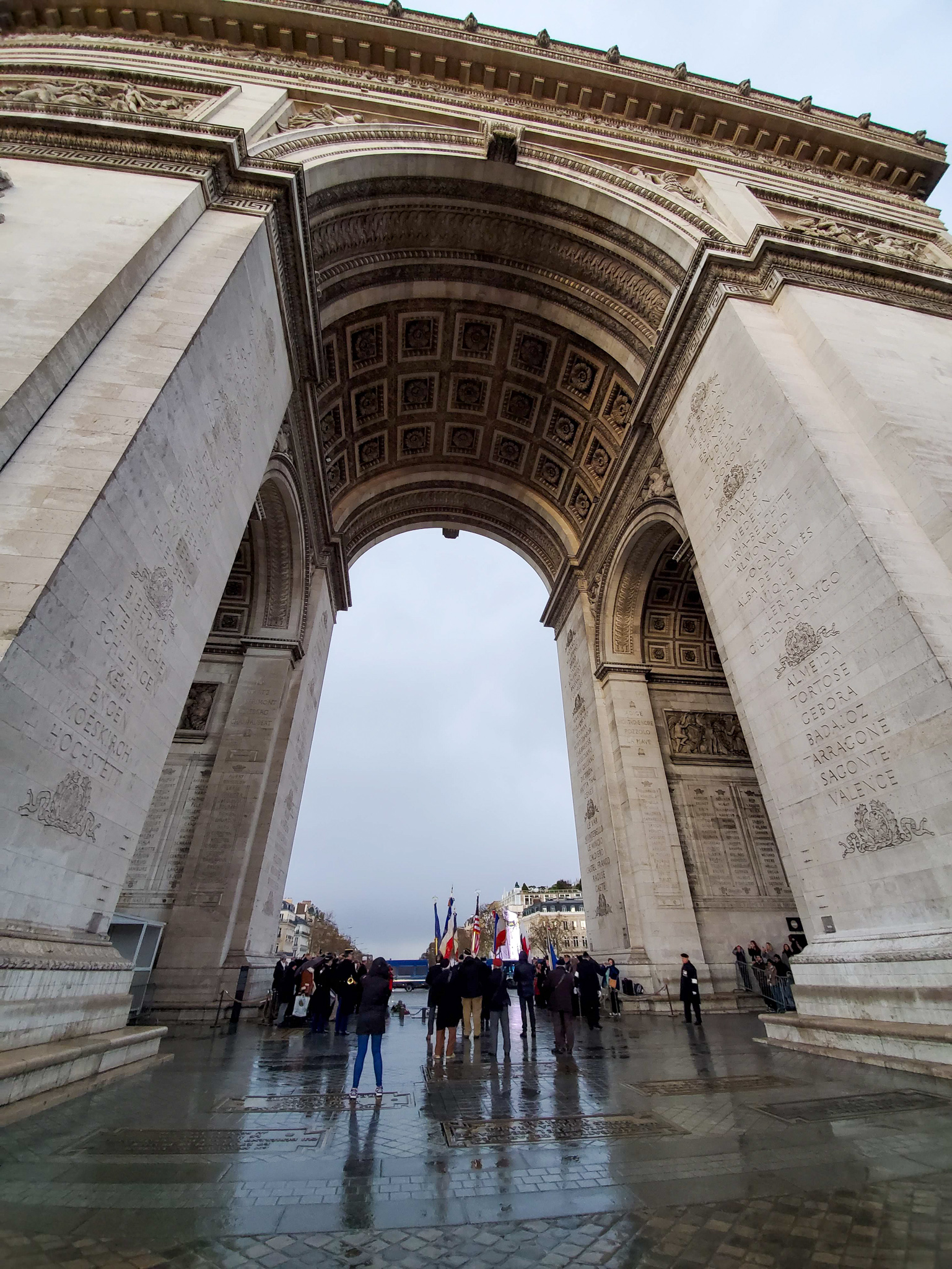
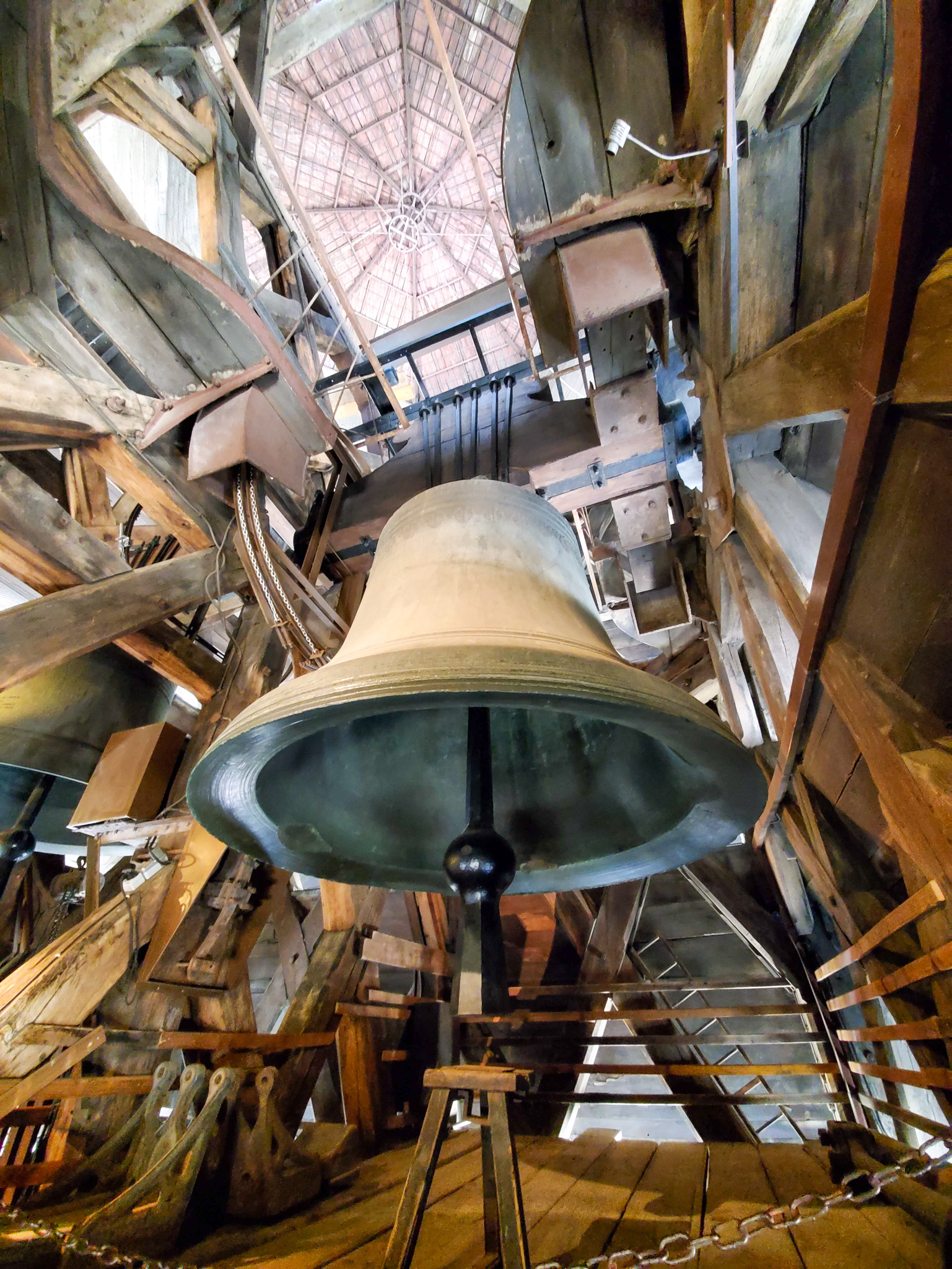
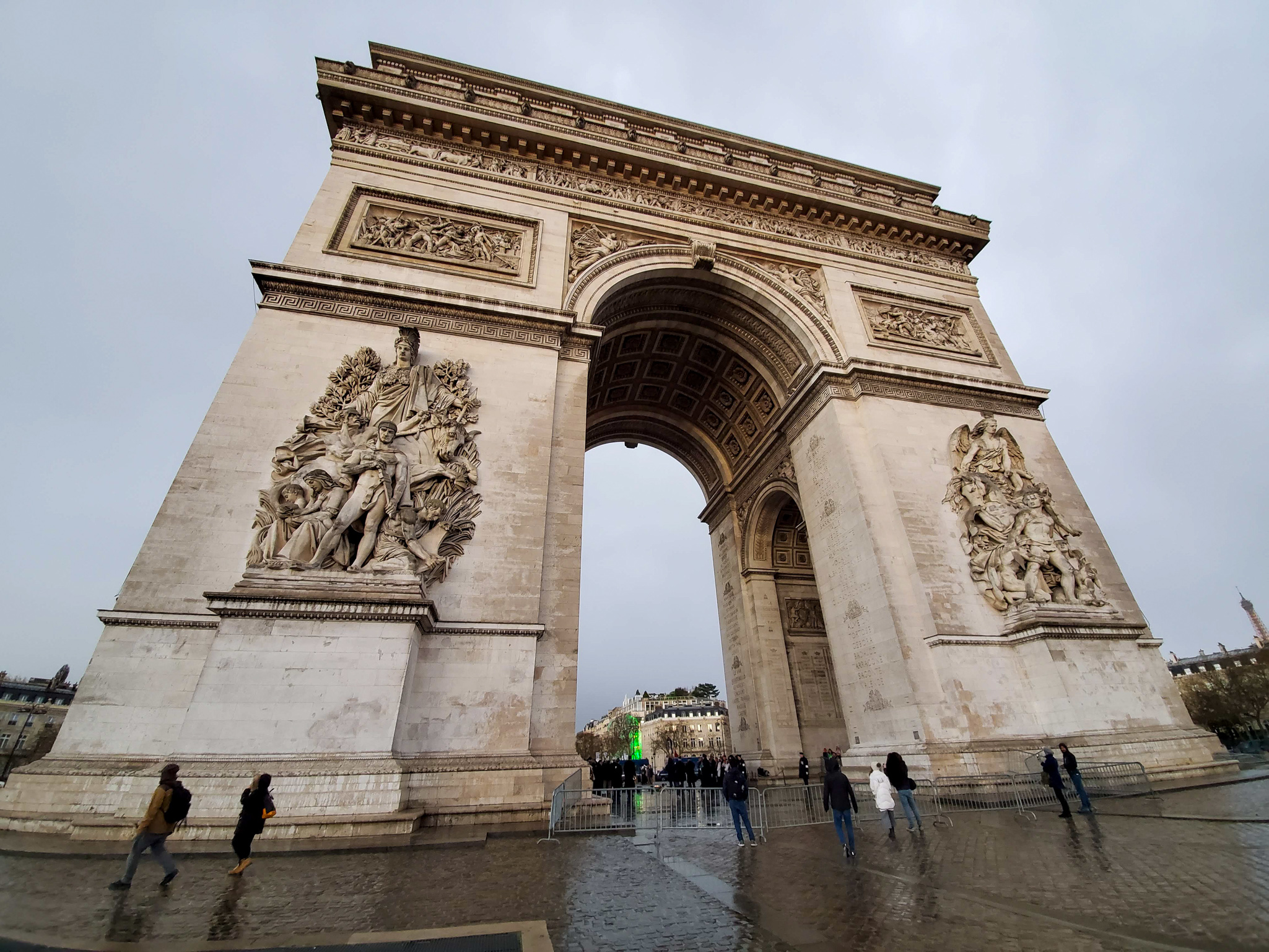
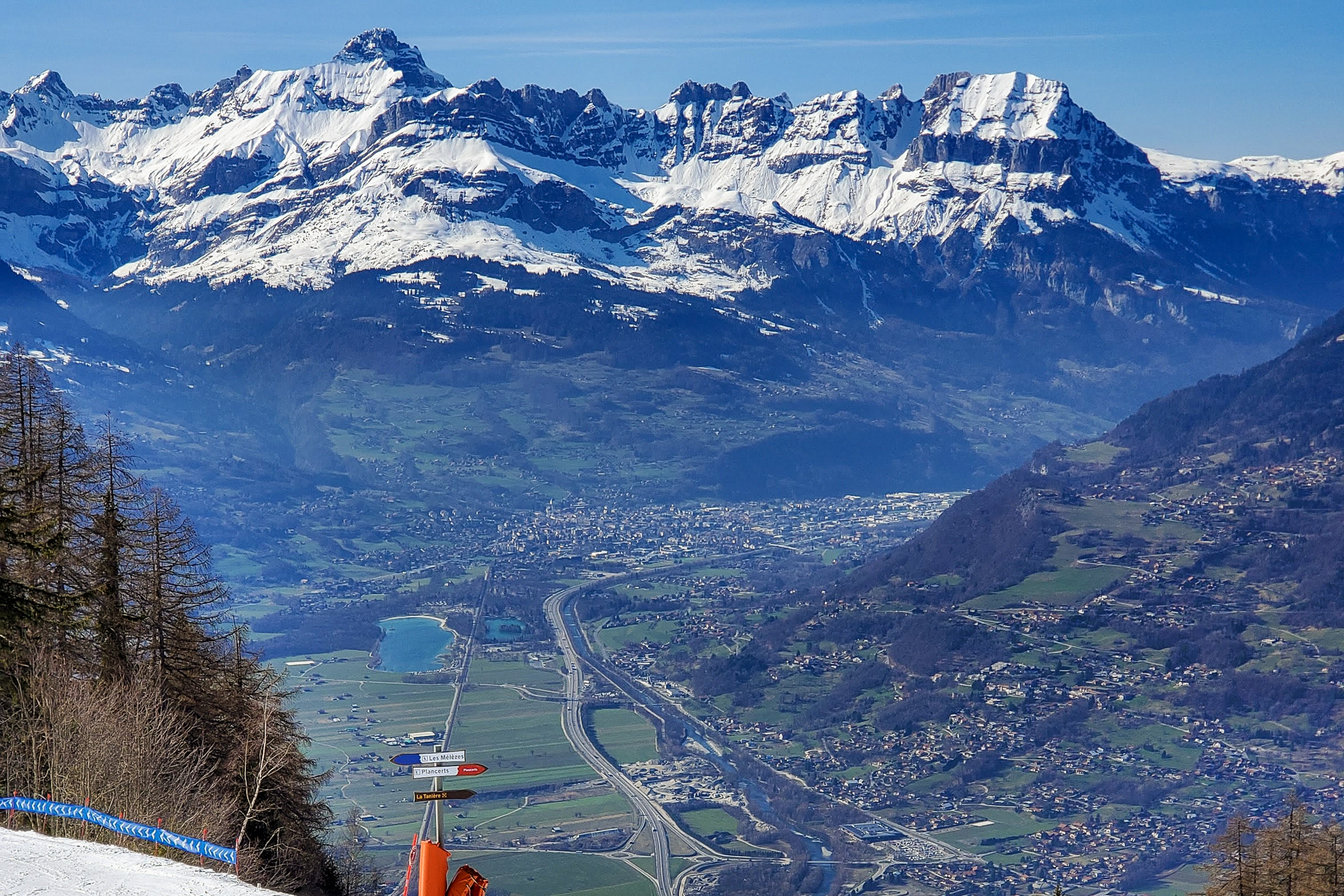
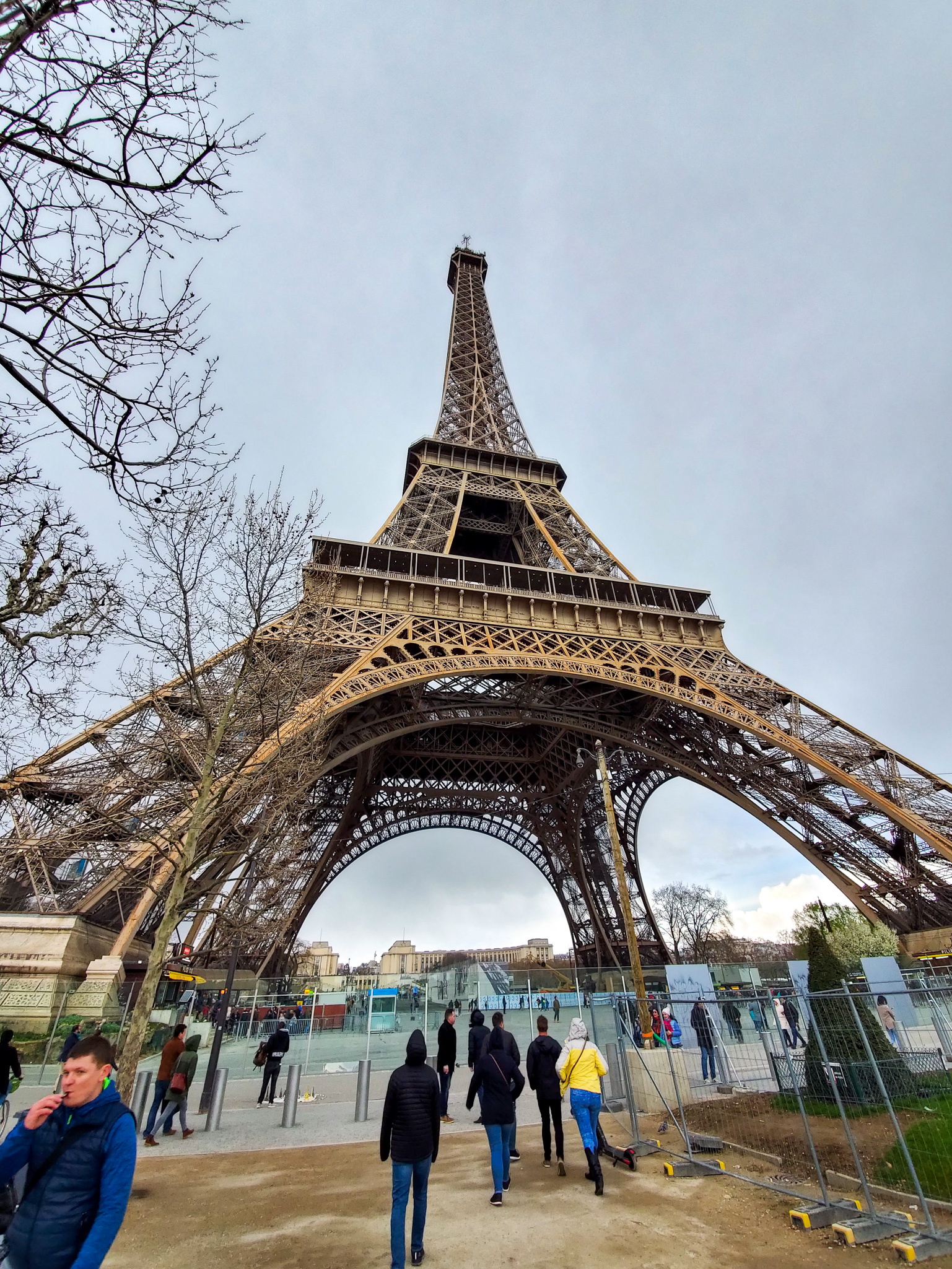
The Galaxy S10’s most defining camera is the ultra-wide 16MP sensor with the 13mm equivalent f/2.4 lens. It’s like having an enormous wide-angle piece of glass stuffed into your pocket, opening up your field-of-view to GoPro like proportions and allowing you to easily capture the most epic of large scale scenes. The S10 was one of the first phones to introduce this type of focal length, and remains one of the few that offer it today.
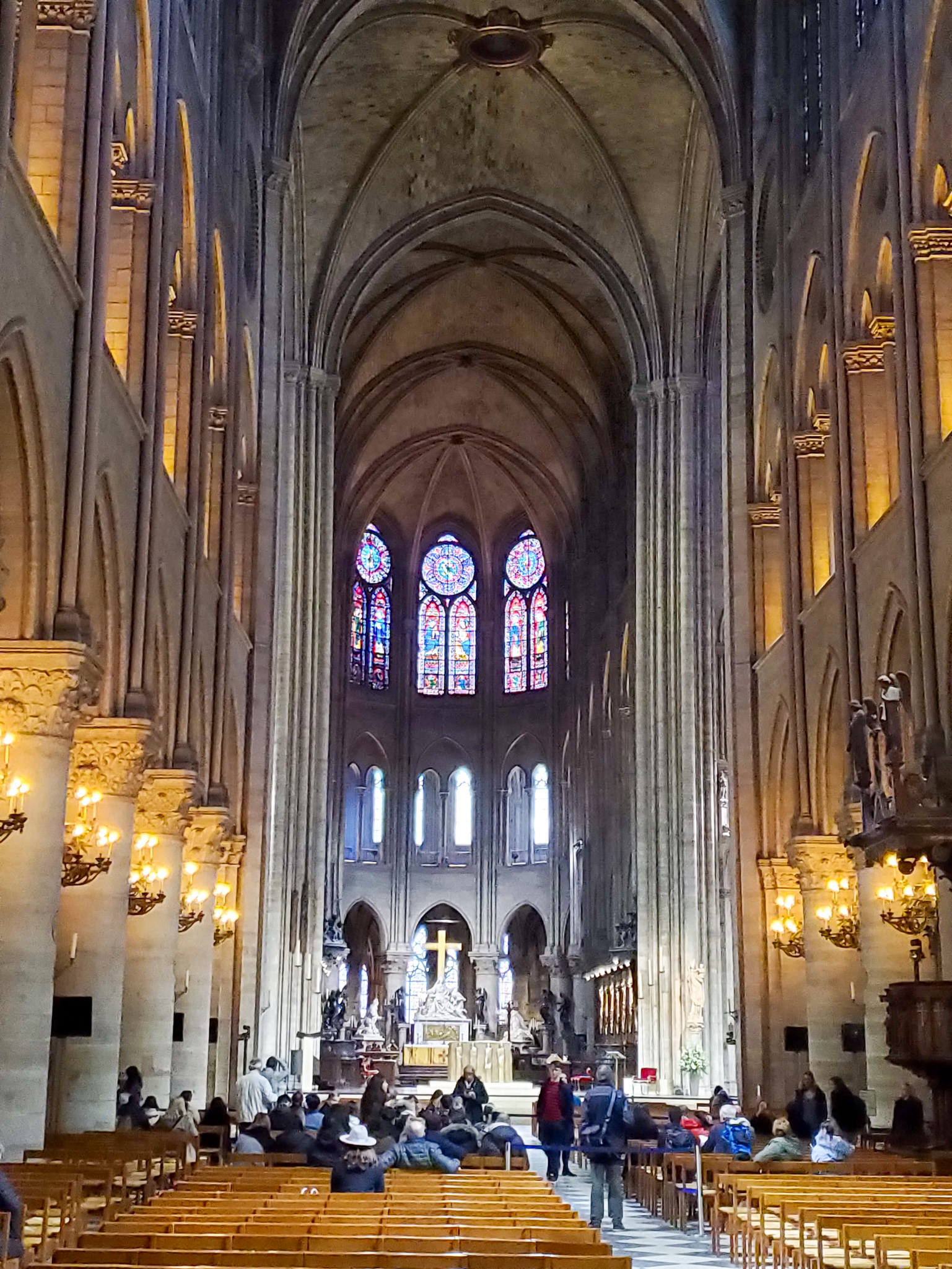
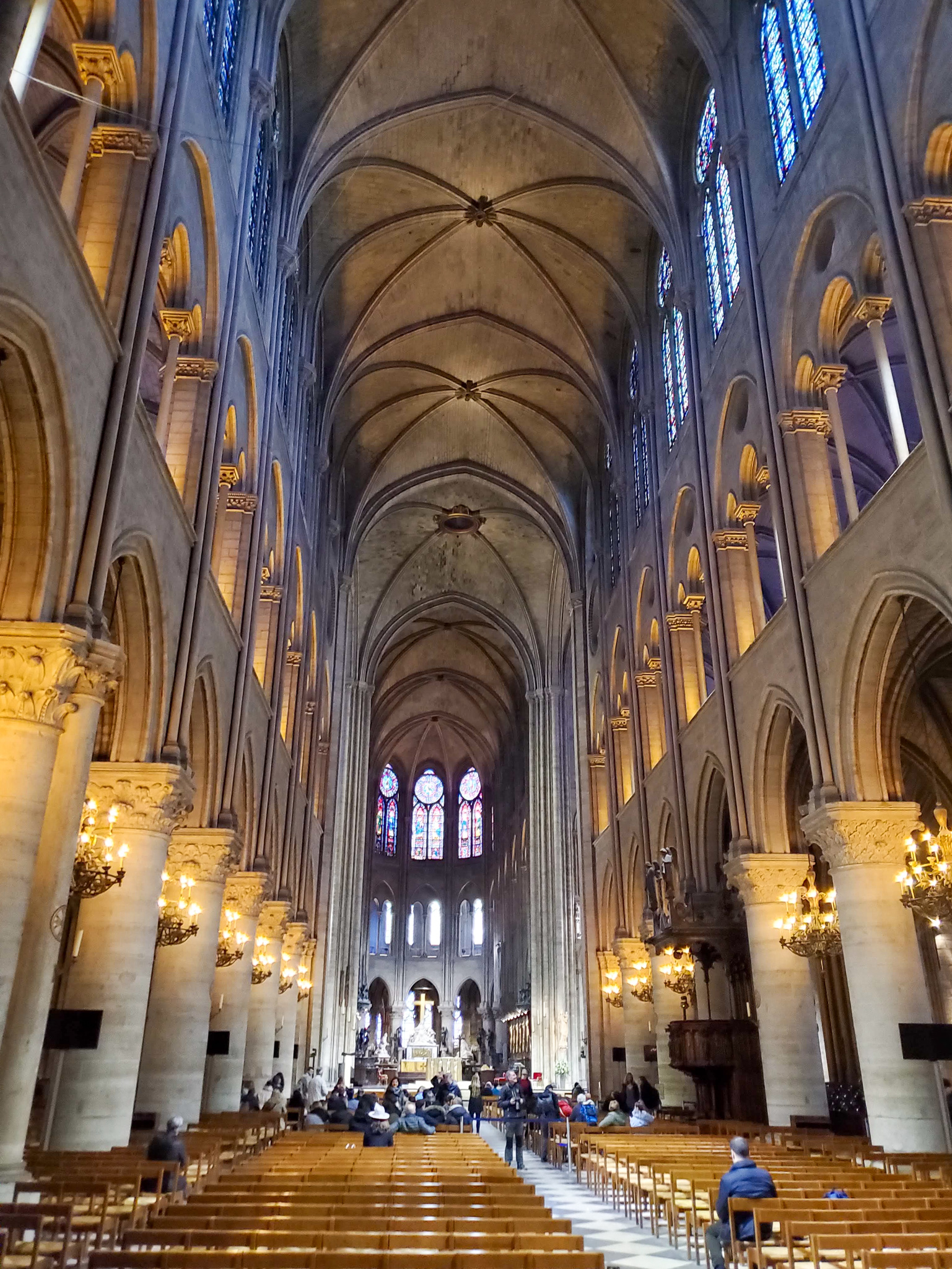
It is this ultra-wide perspective that truly makes the S10 into a beastly travel camera. Enormous buildings become dramatic centerpieces of the frame. Entire streets fit into the 4:3 aspect of your photo. While wide-angle lenses might be considered overly prevalent in the landscape photography community, it is so rare to see something like this coming out of a phone. In combination with the other cameras on the S10, it makes capturing anything at any time a real possibility.
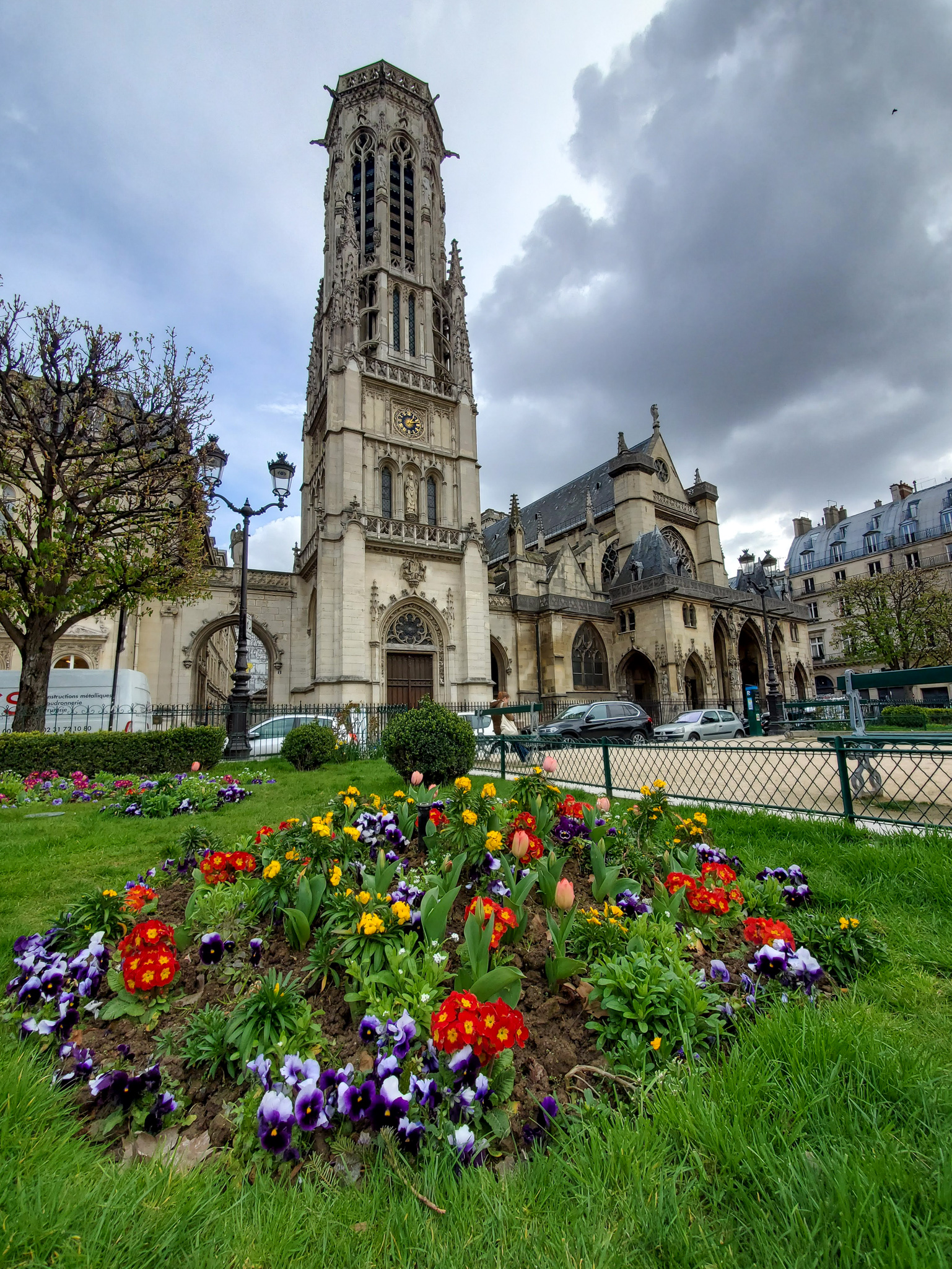
I also loved the wide-angle for its ability to capture the beautiful interiors of these same buildings. The wide-angle was particularly useful for photographing the extravagance of buildings in France, where every square inch of most rooms are covered in intricate detail work

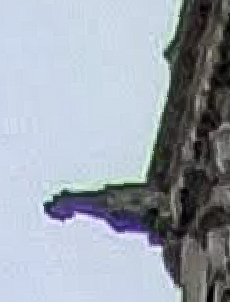
While the wide-angle is backed by a sensor with a higher resolution than the other two cameras (or perhaps, because of this), you do see significantly more artifacts than the other lenses. Besides the obvious fisheye effect from having such a wide lens, there’s also a copious amount of chromatic aberration all over the frame. The effect is far more dramatic on outdoor or backlit scenes, which is somewhat expected. It’s barely noticeable on most indoor shots.
Considering that this is a phone and not an expensive lens that came as a separate purchase, I think this is acceptable. Not only are your images most likely going to be viewed only on your phone or others, it’s unlikely that anyone will zoom in enough to check out the visual artifacts.
It also seems that the sensor on this camera has less capacity for capturing dynamic range and it suffers a little in low-light. For now, these are acceptable compromises for such a unique (for phones) focal length.
The Perfect Selfie
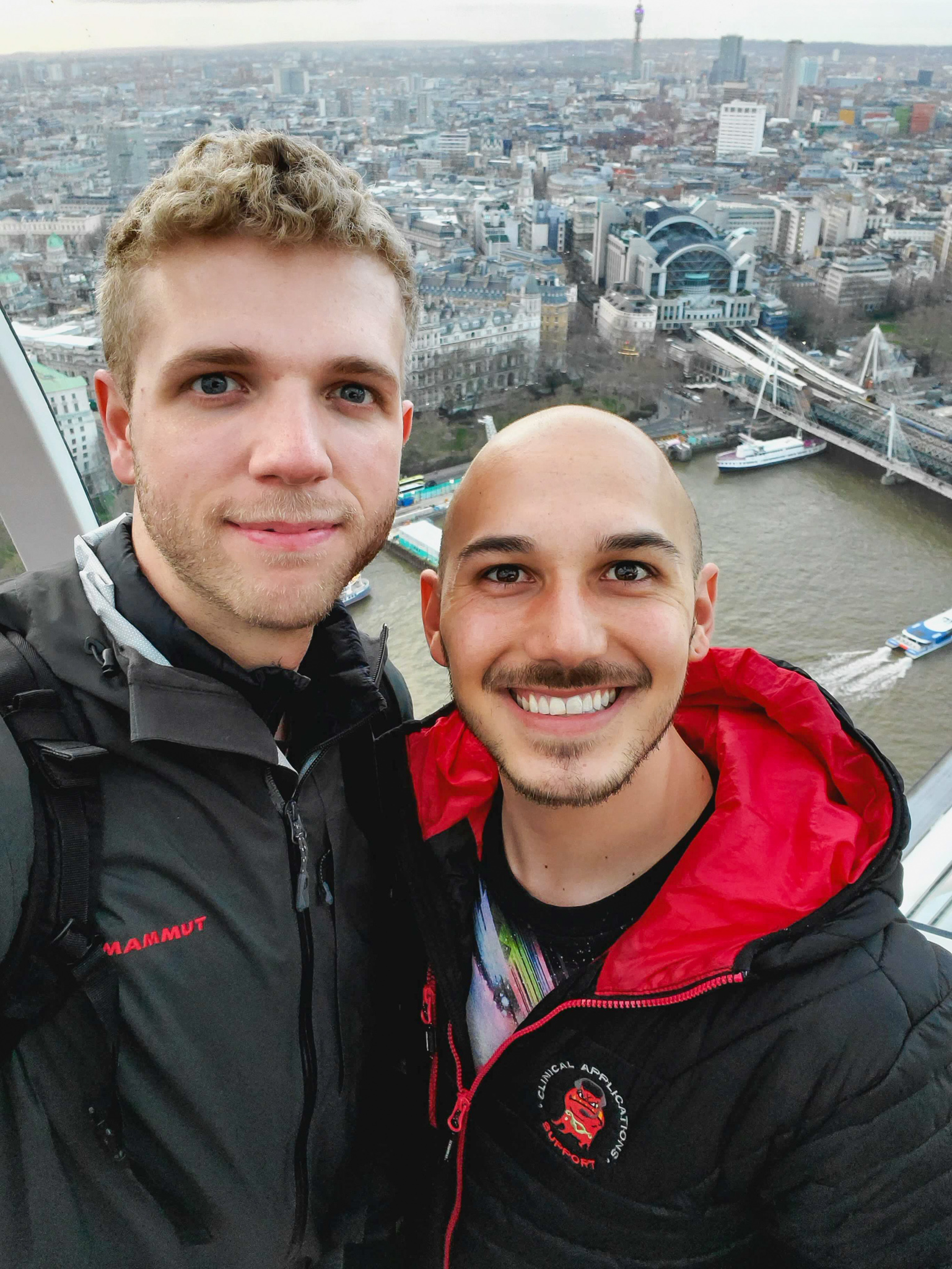
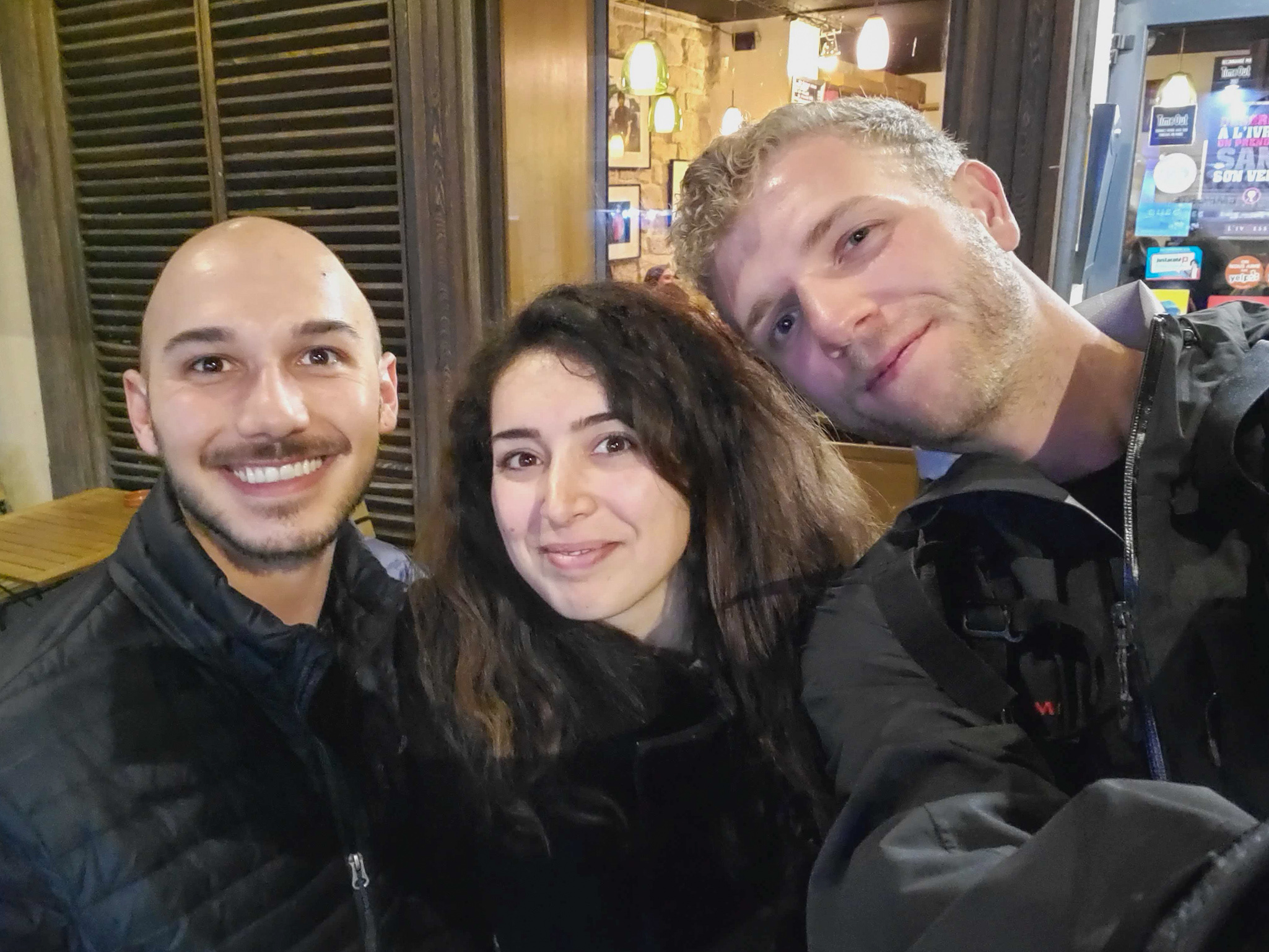
The Galaxy S10 has one more camera — the selfie cam. At 10MP with an 80° field of view, the front facing camera takes crisp, clean photos. Its f/1.9 aperture allows in a decent amount of light, making for photos that are bright and colorful – albeit 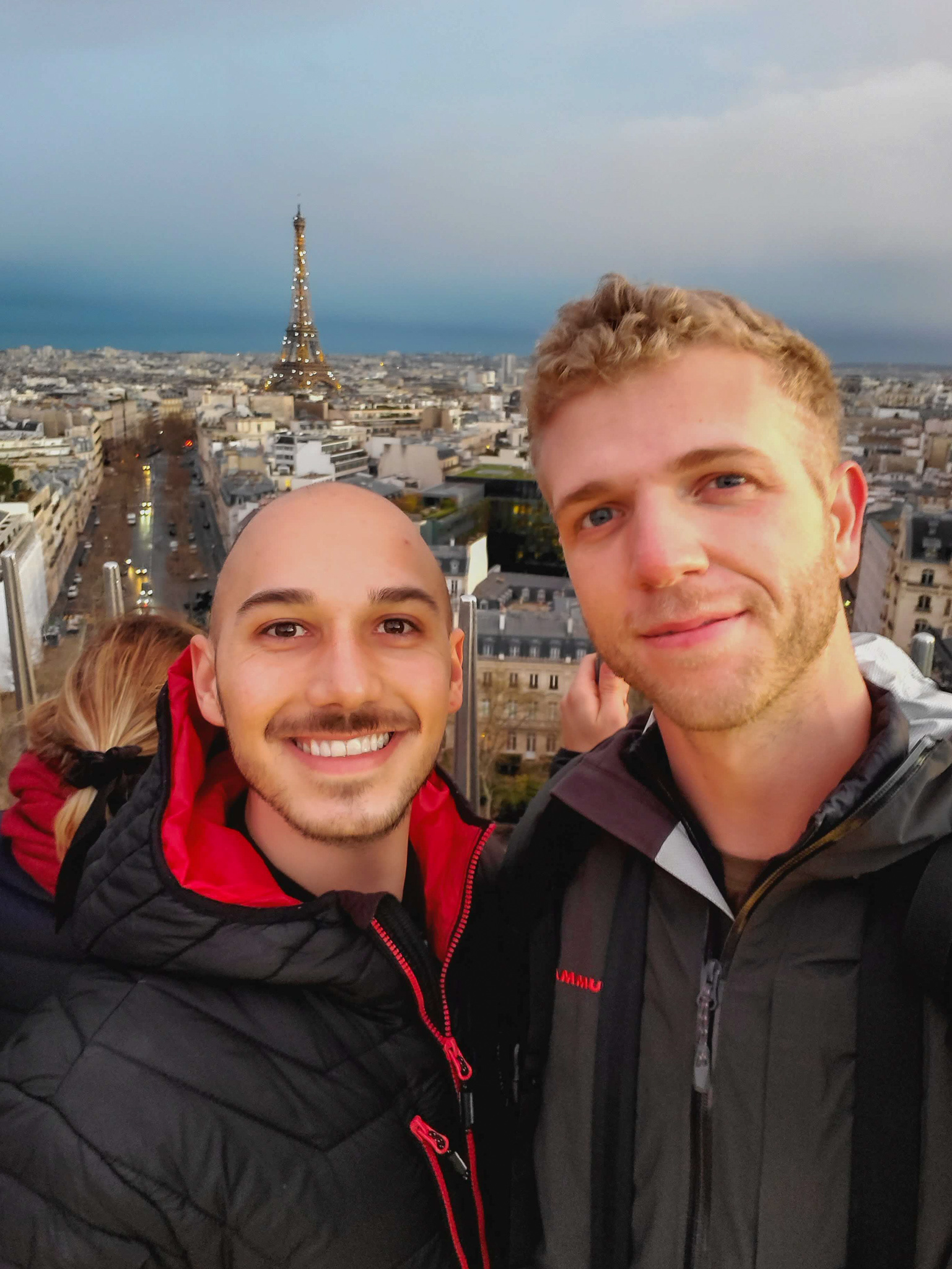 sometimes a little overexposed. The lens gives you sufficient room for most groups, and a handy zoom option at the bottom of the camera app can help keep your selfies from looking too wide or distorted.
Sometimes it’s just easier to whip out your phone and take a selfie. There’s a lot less risk involved than handing over your camera to a stranger, and when you’re doing it yourself you’re allowed to do infinite retakes.
Skin tones always look good, which is important – but beware the beautifying effects. Samsung can lean a little heavy into the real-time photoshop and make everyone look a little too smooth.
Overall however, this is a great camera that can be trusted with your best selfies.
One item of note: The Galaxy S10+, which I do not have, has an additional front-facing camera for depth sensing. This enables higher quality faux-depth of field, but not much else. In general I have not found much use for the Live Focus effects in general, so I’m okay with not having the extra camera.
An Excellent Travel Camera
It sounds like marketing hype, but Samsung isn’t lying when they say they’ve crammed a camera bag-worth of lenses into a phone. With its three high quality cameras on the back and a selfie camera on the front, the Galaxy S10 is versatile enough to trust for any expedition. It may not quite live up to a professional camera, but remember.. it’s a phone.
I had a blast using my S10 around Europe, and it gave me the ability to capture sights that wouldn’t have been possible with the 50mm f/1.8 lens on my mirrorless rig. Whether you’re in the market for a new phone, or you already have an S10 and you’re wondering if it’s good enough to leave your larger set up at home on your next adventure, I hope this post shows that the Galaxy S10 is worth considering. It’s hard to beat a package that’s so portable and versatile when you’re out exploring the world. It may not have quite the software-prowess of the Google Pixel 3, but the flexibility of the Samsung Galaxy S10 is sure to give it a run for its money.
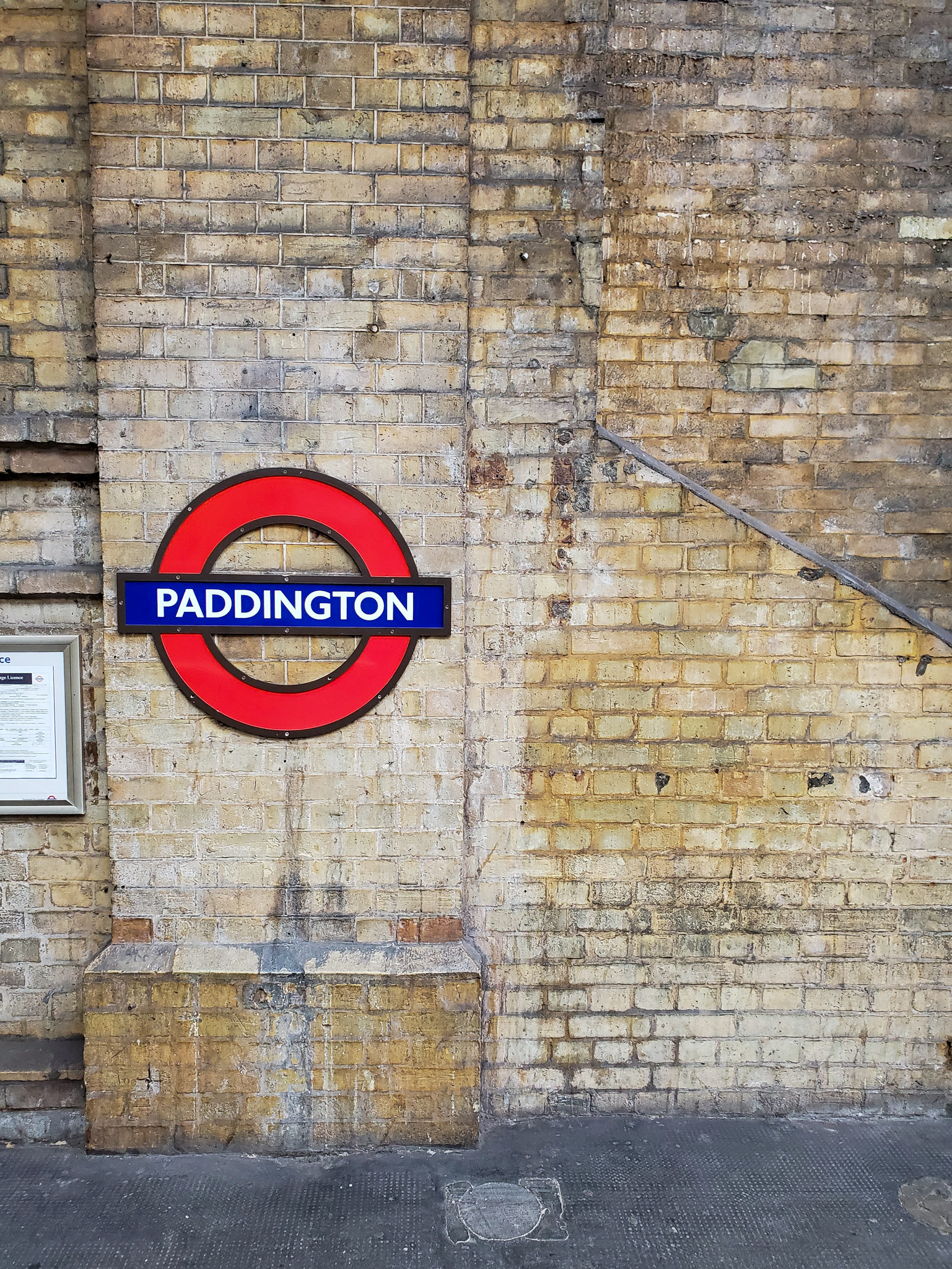
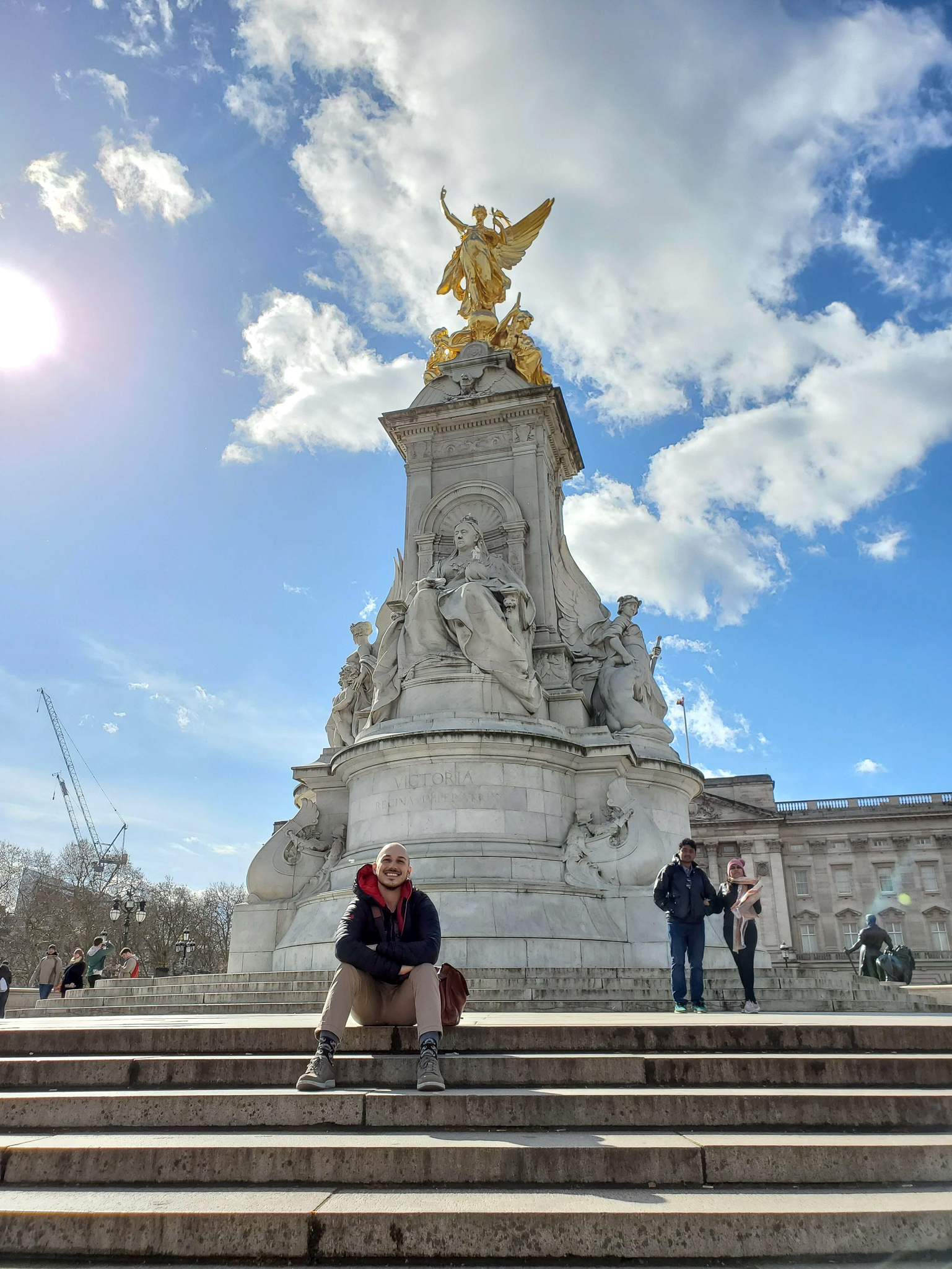
Check out the gallery below for some of my favorite shots that I took with my phone around the UK and France. Keep an eye out for my upcoming post in //Adventure with all my best photos and stories to match.
The following photos have been lightly edited for exposure, contrast and color.